Selling a Park Slope brownstone is rarely just about square footage. Buyers here are often weighing history, layout, condition, and risk all at once, especially in a neighborhood known for landmarked streets, late-19th-century housing stock, and high home values. If you are preparing to list, the goal is not to erase the home’s character. It is to present that character in a way that feels livable, well maintained, and easy to understand. Let’s dive in.
Why preparation matters in Park Slope
Park Slope stands out for its historic rowhouses, proximity to Prospect Park, and well-preserved residential streets. The Landmarks Preservation Commission notes that the neighborhood sits west of Prospect Park and includes one of Brooklyn’s most architecturally distinguished collections of homes. That context shapes buyer expectations from the start.
It also shapes pricing pressure. Recent market data placed Park Slope’s median sale price in the high-$1 million range, while separate reporting showed a much higher median for houses specifically. The exact figures vary by source, but the takeaway is clear: in a market like this, condition, presentation, and floorplan clarity can affect how buyers respond.
What today’s Park Slope buyer wants
Many buyers are looking for a balance of old and new. Current listing language in Park Slope repeatedly highlights intact period details alongside renovated kitchens, updated baths, new windows, central air, and in-unit laundry. Buyers are not simply paying for charm. They are looking for a historic home that feels functional on day one.
Layout matters just as much as finishes. Current listings often emphasize owner’s duplexes, garden-level configurations, private entrances, decks, yards, and flexible secondary spaces. In a brownstone, buyers tend to respond well when the home feels intuitive, practical, and adaptable to modern living.
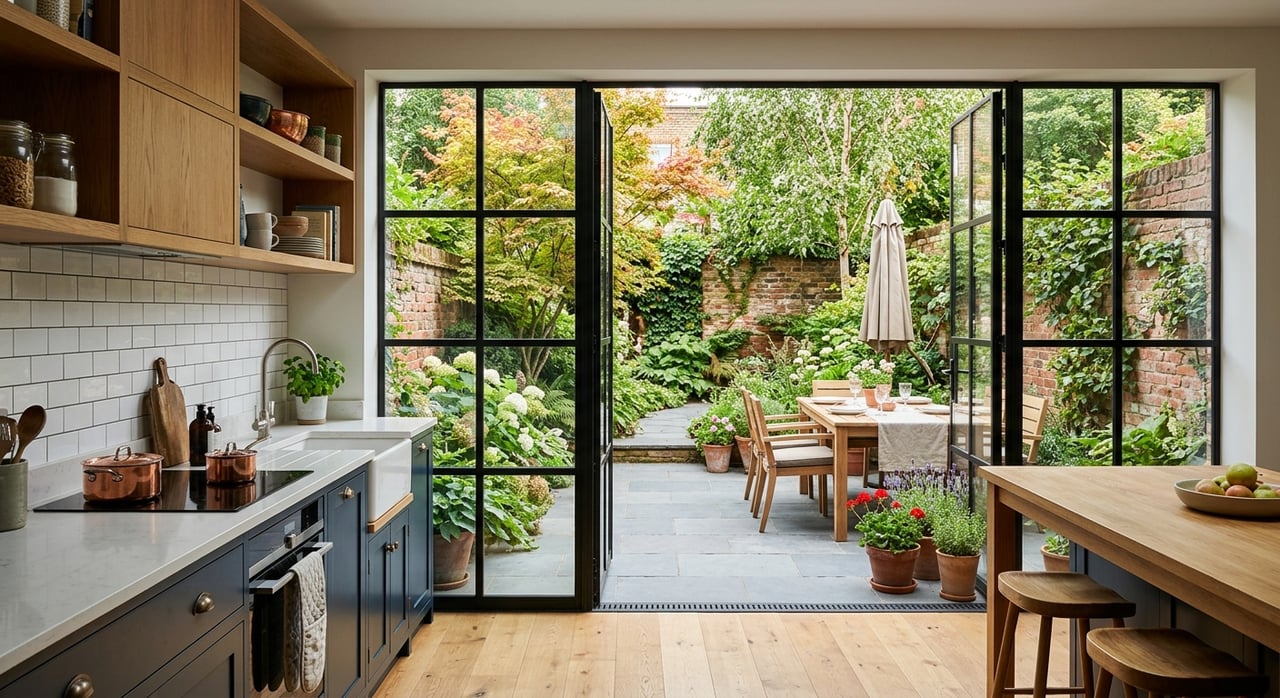
Outdoor space also gets attention. Prospect Park already gives the neighborhood a strong connection to green space, so private outdoor areas can feel like a meaningful extension of the home. A deck, garden, patio, or yard does not need to be elaborate to add value, but it should feel safe, clean, and usable.
Lead with character, not clutter
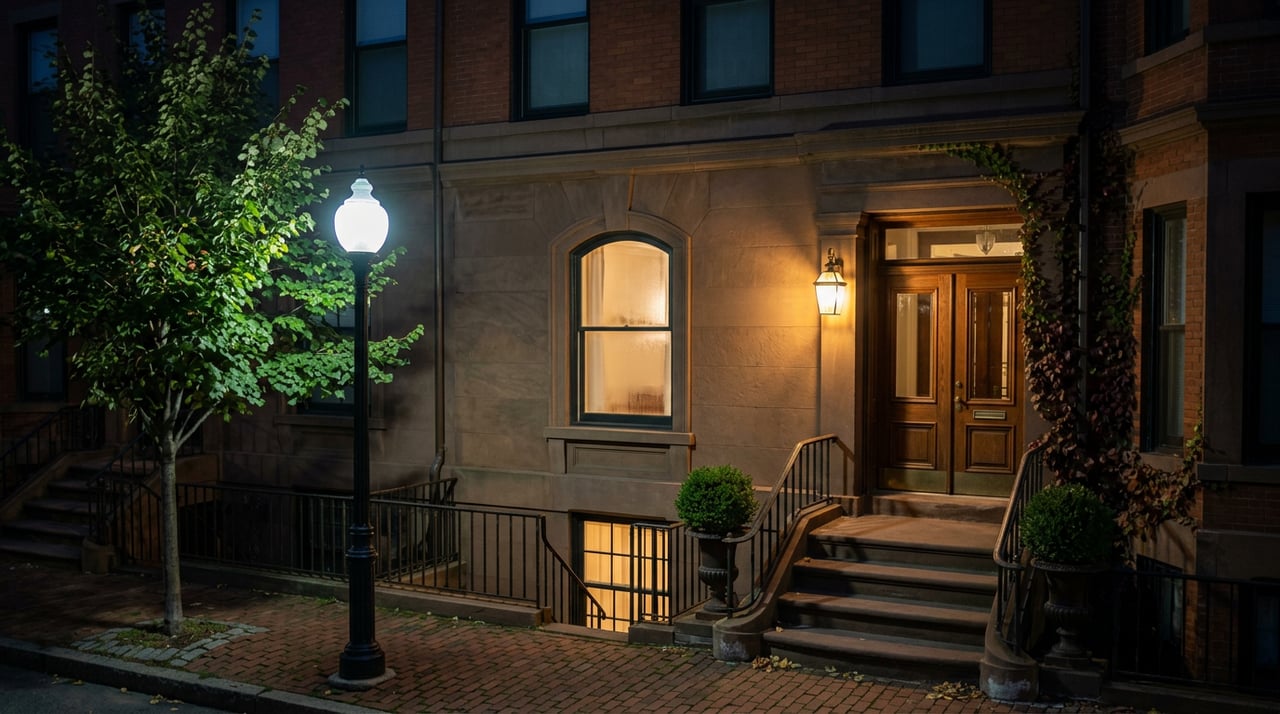
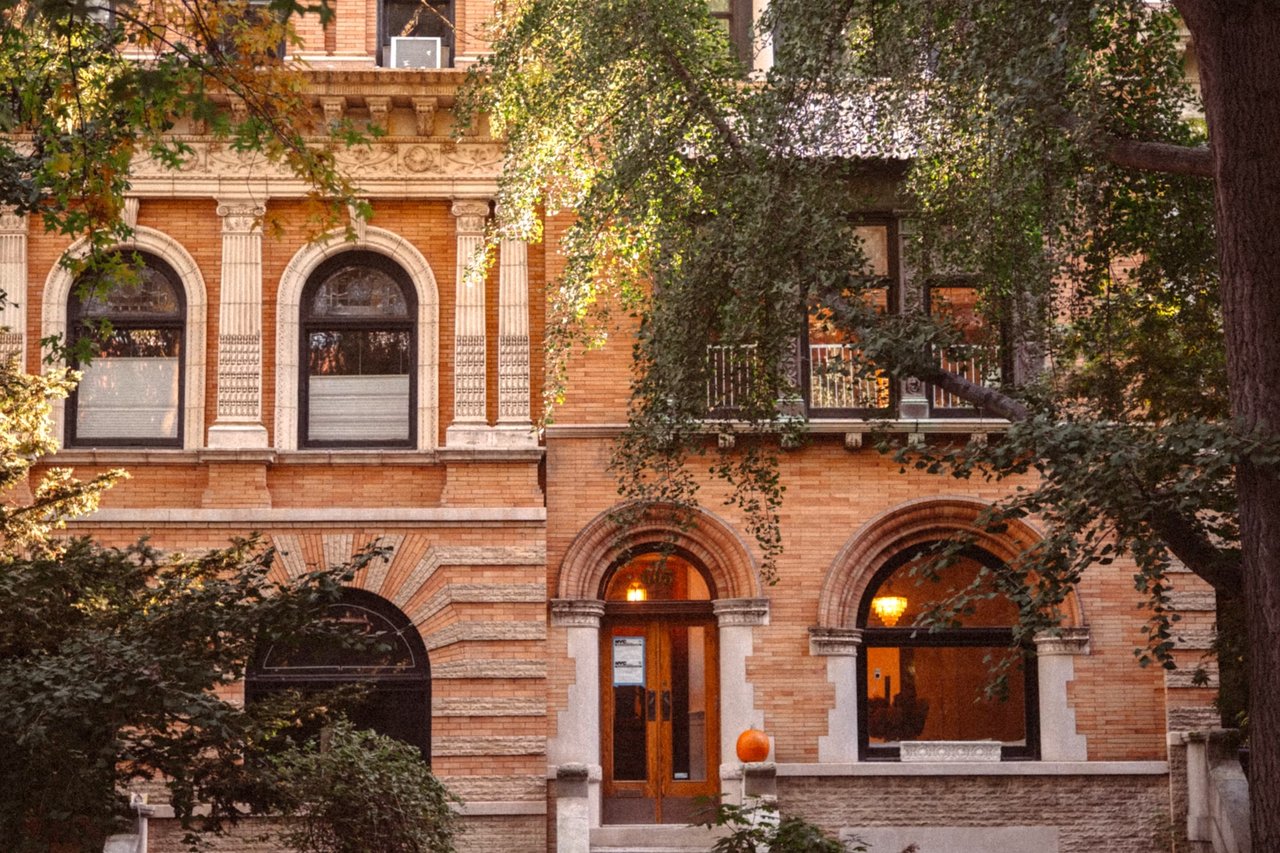
The best Park Slope brownstones usually present their original details clearly. That may include woodwork, staircases, moldings, fireplaces, tall windows, or facade details that help the home feel rooted in its period. Buyers often notice these features quickly, especially when they are not competing with visual clutter.
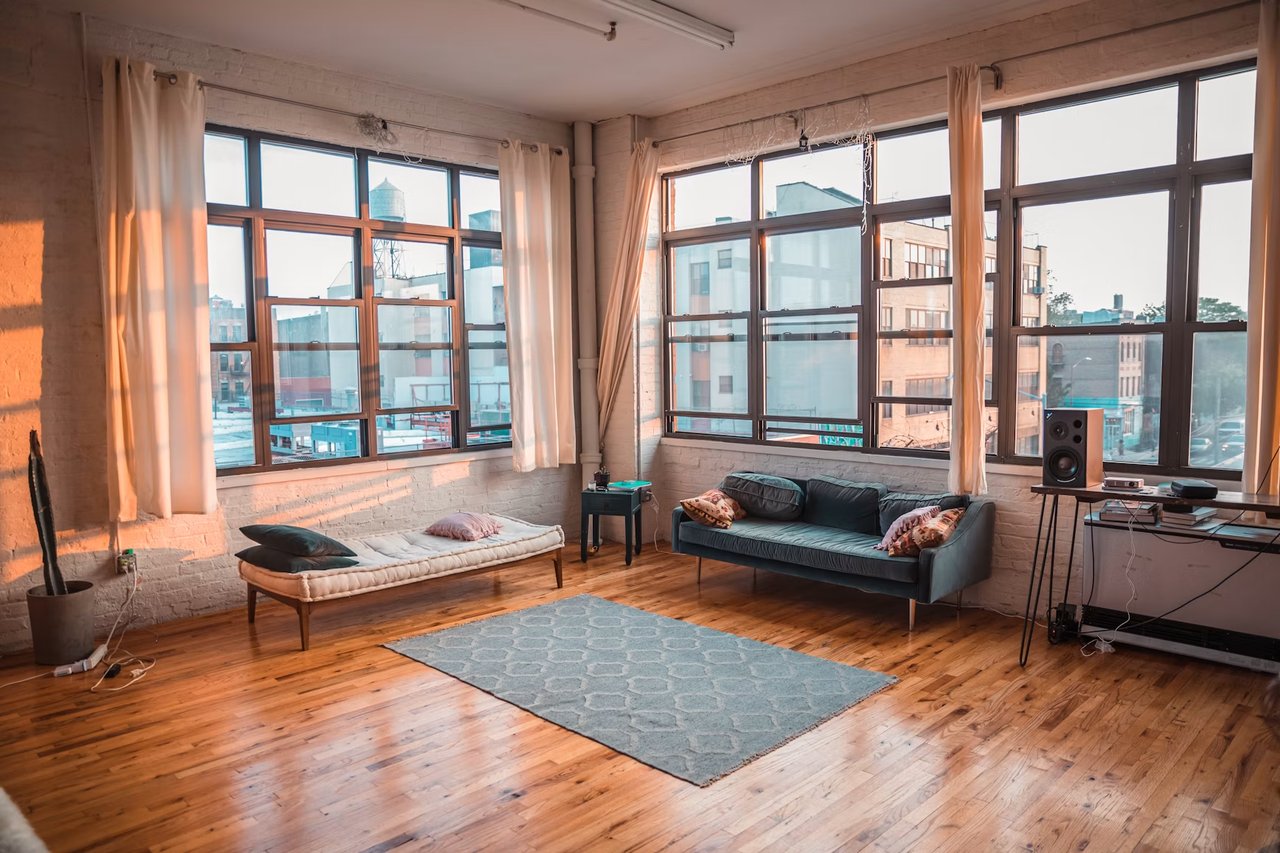
Before listing, simplify each room so the architecture can stand out. Remove excess furniture, clear crowded shelves, and reduce highly personal styling choices. In a townhouse, buyers should be able to read the scale, light, and flow of each level without distraction.
This is especially important in formal living and dining spaces, garden levels, and parlor floors. These areas often carry much of the home’s emotional appeal. When they are cleanly presented, buyers can more easily connect the historic setting to their own daily life.
Make the layout easy to understand
A beautiful brownstone can still lose momentum if the layout feels confusing. Buyers today are often comparing several types of homes at once, and they tend to reward properties that feel straightforward and useful. That is why floorplan functionality deserves close attention before the home goes to market.
Think about how each level is presented. If a lower level could read as flexible recreation, guest, work, or storage space, make that use legible. If a garden-level setup includes a private entrance, yard access, or a secondary living area, those benefits should feel clear in person and in marketing.
If your home includes a duplex, a rental component, or a multi-level owner’s configuration, presentation matters even more. Buyers do not want to work hard to decode how the house lives. They want to walk through and immediately understand the value of each floor.
Focus pre-listing work on buyer confidence
In Park Slope, the most effective pre-listing work is often not the most dramatic. It is usually the work that reduces buyer uncertainty. That can mean repairing visibly tired exterior elements, addressing deferred maintenance, and making sure systems and surfaces suggest consistent care.
For a landmarked brownstone, practical exterior maintenance may include brownstone repair, repointing, ironwork, doors, sidewalk work, or window replacement where appropriate. The Landmarks Preservation Commission notes that a Permit for Minor Work can cover several common restoration and maintenance items. It also states that some ordinary repairs, such as replacing broken window glass, caulking around windows and doors, or repainting in kind, generally do not require approval.
Inside the home, the same principle applies. You do not need to impose a highly personal renovation unless there is a clear strategic reason to do so. In many cases, refreshed paint, repaired finishes, working hardware, updated lighting, and polished surfaces do more for buyer confidence than a taste-specific overhaul.
Update outdoor areas with purpose
Outdoor space is a recurring differentiator in Park Slope listings, and buyers often notice whether it feels ready to use. Even a modest patio or garden can help a brownstone feel more complete. The key is to make the space feel maintained rather than neglected.
Start with the basics:
- Repair gates and railings if needed
- Make sure stairs feel stable and safe
- Address drainage concerns
- Trim overgrowth and remove dead plantings
- Clear out unused furniture or storage items
- Create a simple seating or dining moment if space allows
You are not trying to create a show garden overnight. You are showing buyers that the outdoor space is part of the home’s lifestyle and does not come with immediate catch-up work.
Do not ignore mechanical updates
Brownstone buyers often look beyond finishes and ask a quieter question: what hidden work will I inherit? That is why mechanical and envelope updates can carry real weight. Current Park Slope listings frequently call out central AC, split-system heating and cooling, new windows, updated kitchens and baths, and in-unit laundry.
These features help a home feel move-in ready, but they also help reduce perceived risk. If you have completed meaningful work on systems, windows, or comfort upgrades, gather that information early. It can support both buyer confidence and the overall value story.
If any interior work affects the building’s exterior, timing matters. The Landmarks Preservation Commission says exterior changes in historic districts require review, and interior work that affects the exterior, such as vents or louvers, also falls under permit rules. If you are considering this type of work before listing, decide early so it does not disrupt your launch timeline.
Clean up the paper trail before launch
In Park Slope’s upper-tier market, documentation matters. Buyers and their attorneys are often reviewing more than finishes and staging. They may also look closely at permits, violations, inspections, occupancy information, and recorded documents tied to the property.
New York City’s Department of Buildings provides public tools that allow users to review permits, complaints, violations, inspections, and building history. ACRIS also provides access to recorded property documents in Brooklyn from 1966 to the present. Because this information is easy to access, sellers benefit from getting ahead of it.
Before listing, it is smart to assemble:
- Permit records and sign-offs
- Information on any open applications
- Records related to past alterations
- Survey documents if available
- Warranty and service invoices for major systems
- Any documentation that helps explain completed work clearly
If there are unresolved issues, address them as early as possible. A clean record does not guarantee a sale, but a messy one can create friction during diligence.
Know when not to over-renovate
It is tempting to assume that a full renovation will always produce the strongest result. In Park Slope, that is not necessarily true. Recent market data showed a strong sale-to-list ratio, but only a small share of homes sold above asking, which suggests buyers are still disciplined about value.
That matters when you are deciding where to spend before listing. A gut renovation can be expensive, time-consuming, and highly dependent on taste. In many cases, sellers are better served by making the home feel finished, maintained, and easy to evaluate rather than trying to chase a fully reimagined design story.
This is especially true in a historic district, where larger exterior-facing work may require Landmarks review. The commission notes that most exterior changes require review, even if they are not visible from the street or do not require a Department of Buildings permit. If your listing horizon is within the next 6 to 18 months, it helps to decide early whether your strategy is light polish, a targeted refresh, or a broader renovation.
A practical Park Slope prep plan
If you are preparing a Park Slope brownstone for today’s buyer, a focused plan usually works better than a scattered one. Start with the items that improve clarity, condition, and confidence. Then move to presentation.
A useful order of operations often looks like this:
- Review the home’s layout and identify any confusing spaces
- Tackle visible maintenance issues inside and out
- Assess outdoor areas for safety and usability
- Gather records for permits, alterations, and major systems
- Confirm whether any planned work needs Landmarks review
- Declutter and stage to highlight architecture and light
- Launch with a presentation strategy that matches the home’s real strengths
That kind of preparation tends to resonate because it respects what buyers in Park Slope are already looking for. They want a home with history, but they also want confidence in how it lives and how it has been cared for.
For distinctive Park Slope brownstones, the strongest sales often come from calm, informed preparation rather than flashy pre-sale spending. If you are weighing what to update, what to leave alone, and how to position your home for today’s market, The Kantha Team can help you build a strategy that fits the property, the block, and the moment.
FAQs
What do Park Slope brownstone buyers notice first?
- Buyers often respond first to the balance between historic character and modern usability, including period details, natural light, updated kitchens and baths, working layouts, and well-presented outdoor space.
What improvements usually matter most before selling a Park Slope brownstone?
- The work that often pays off most is maintenance and repair that reduces uncertainty, such as exterior upkeep, window and door repairs, refreshed finishes, mechanical updates, and documentation of completed work.
Do Landmarks rules affect pre-listing work on a Park Slope brownstone?
- Yes. In a historic district, exterior changes generally require review by the Landmarks Preservation Commission, and some interior work that affects the exterior, such as vents or louvers, may also require review.
Should you fully renovate a Park Slope brownstone before listing?
- Not always. In many cases, buyers respond better to a home that feels well maintained, easy to understand, and thoughtfully presented than to an expensive, taste-specific renovation.
What records should sellers gather before listing a Park Slope brownstone?
- Sellers should gather permit records, sign-offs, alteration history, survey documents if available, warranty and service records for major systems, and any documentation that helps explain the home’s condition and work history clearly.
How important is outdoor space when selling a Park Slope brownstone?
- Outdoor space can be a meaningful differentiator in Park Slope, especially when it feels clean, safe, and ready to use, even if the space is modest in size.