Trying to choose between the Upper East Side and Upper West Side townhouse market, or wondering how your home stacks up against the other side of the park? It is a fair question, especially in a market where inventory is limited, pricing is highly specific, and no two townhouses are exactly alike. If you are buying or selling on either side, this snapshot will help you understand the key pricing differences, housing stock, and lifestyle drivers shaping today’s market. Let’s dive in.
What this comparison covers
For this snapshot, the East Side and West Side refer to broad townhouse benchmarks rather than exact neighborhood board boundaries. Brown Harris Stevens defines the East Side grouping as roughly 59th to 96th Streets, from Fifth Avenue to the East River, and the West Side grouping as roughly 59th to 110th Streets, from the Hudson River to west of Fifth Avenue.
That matters because townhouse buyers and sellers often talk about the Upper East Side and Upper West Side as if they are perfectly matched markets. In practice, each side includes a range of blocks, building types, and use patterns, so the best way to read the data is as a high-level guide rather than a one-size-fits-all rule.
2025 townhouse prices at a glance
Across Manhattan, 2025 townhouse sales totaled 238. The average sale price was $7,055,083, the median was $5,500,000, the average price per square foot was $1,485, average days on market were 196, and sellers received 92.5 percent of last asking price.
When you narrow that down to the East Side and West Side benchmarks, the differences become more interesting.
| Market | Average Sale Price | Median Sale Price | Avg. Price Per Sq. Ft. |
|---|---|---|---|
| Broad East Side | $10,431,683 | $7,700,000 | $1,733 |
| Broad West Side | $7,250,804 | $7,650,000 | $1,180 |
The biggest headline is this: the East Side posted a much higher average sale price and a notably higher average price per square foot. At the same time, the median prices were very close, which suggests that trophy homes and top-tier renovated properties may be pulling the East Side average upward.
For buyers, that means the East Side can carry a stronger premium on a per-square-foot basis. For sellers, it reinforces how much condition, scale, width, light, and block quality can influence the final number.
Inventory remains thin on both sides
Current visible inventory also shows how limited this market is. StreetEasy currently shows 58 houses for sale on the Upper East Side and 33 on the Upper West Side.
The active price ranges are wide on both sides, which is another reminder that townhouses do not trade like standard apartments. Visible Upper East Side examples range from about $5.3 million to $29.95 million, while visible Upper West Side examples range from about $4.5 million to $65 million.
That kind of spread points to a highly segmented market. A townhouse’s value often depends less on the neighborhood label alone and more on the exact block, lot width, condition, layout, landmark context, and whether the property is configured for single-family or multi-family use.
Upper East Side townhouse character
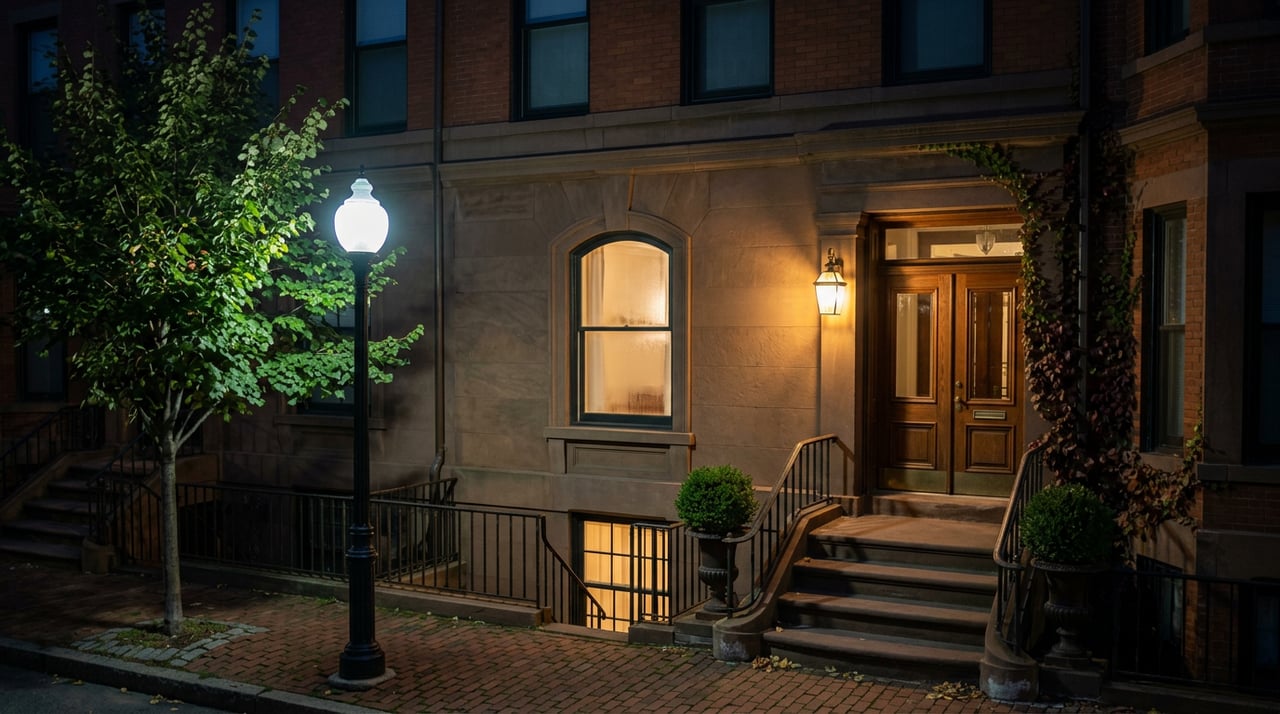
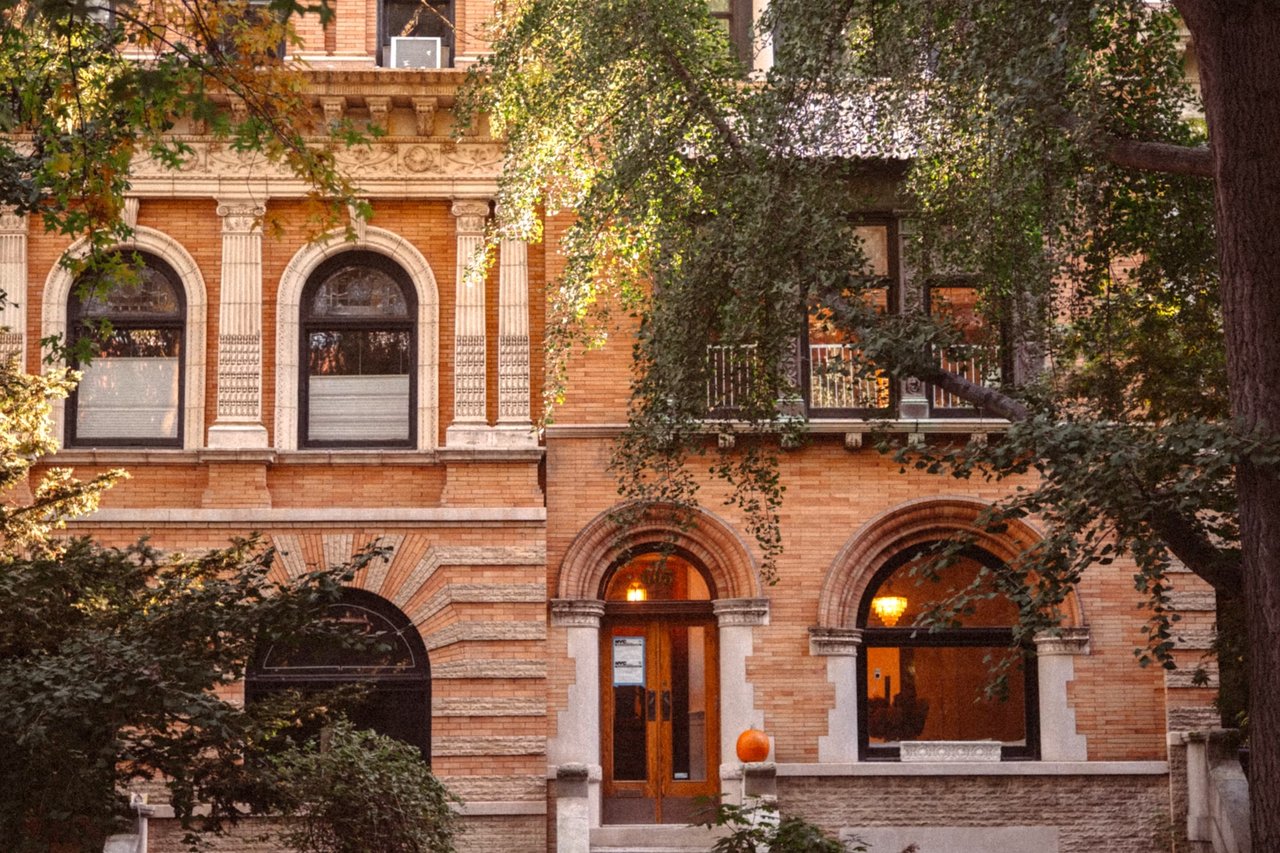
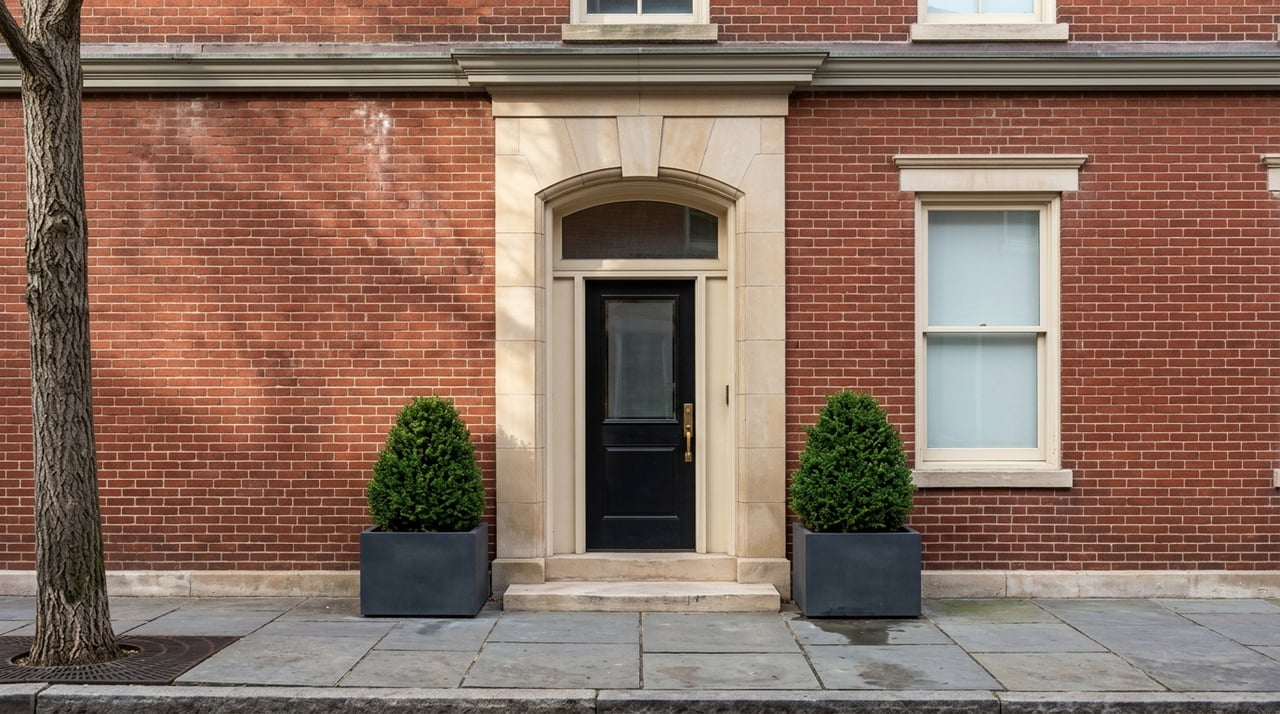
The Upper East Side townhouse stock includes a broad mix of historic styles. Landmarks Preservation Commission materials cite intact 1870s Italianate houses on East 65th Street and neo-Grec rows on East 72nd Street, alongside later Renaissance Revival and Colonial Revival buildings found across the area.
For buyers, that often translates into a formal, classic townhouse experience with elegant facades and a wide range of renovation paths. Some homes lean traditional, while others have been fully modernized behind historic exteriors.
The East Side also tends to appeal to buyers focused on Museum Mile, Central Park adjacency, and East Side commuting convenience. The higher East Side price-per-square-foot benchmark suggests that renovated, wider, and better-lighted houses can command a premium.
Layouts and size on the East Side
Current listings suggest many townhouses on both sides of the park fall roughly between 3,000 and 8,000 square feet, with larger trophy properties exceeding 10,000 square feet. On the Upper East Side, visible examples include 120 East 78th Street at 12,641 square feet and 21 East 81st Street at 8,538 square feet.
That range creates a broad field for buyers. Some homes offer grand single-family living, while others provide flexible space for guests, staff, work-from-home needs, or multi-unit configurations.
Upper West Side townhouse character
The Upper West Side has a different visual rhythm and architectural identity. In Riverside and West End districts, Landmarks Preservation Commission materials describe 1890s rowhouses and town houses shaped by Renaissance, Elizabethan, Romanesque, and Gothic influences, along with bowfronts, bays, stoops, dormers, chimneys, and parapets.
For many buyers, the West Side feels a bit more varied in facade detail and streetscape texture. The area is also strongly connected to cultural anchors like Lincoln Center and the American Museum of Natural History, along with close access to both Central Park and Riverside Park.
The West Side median townhouse price sits close to the East Side benchmark, but the lower average price per square foot suggests more pricing variation. In practical terms, block quality, interior condition, and layout flexibility can have an outsized impact here.
Layouts and flexibility on the West Side
Visible Upper West Side examples include 120 West 87th Street at 4,950 square feet and 323 West 89th Street at 7,120 square feet. Like the East Side, the West Side has townhouses across a wide range of sizes and bedroom counts, and trophy assets can extend beyond 10,000 square feet.
The West Side also appears to have a meaningful share of multi-family or flexible-use townhouses. Recent examples include two-family or multi-family homes such as 47 West 95th Street and 120 West 87th Street, which may appeal to buyers who value layout versatility or income-producing potential.
Transit and park access shape demand
Both sides perform well when it comes to access to open space. Park access is very high on each side, at 95 percent on the Upper East Side and 99 percent on the Upper West Side.
Transit, however, affects the two markets a bit differently. The MTA states that Second Avenue Subway Phase 1 extended the Q line to 96th Street and added stations at 72nd and 86th Streets, which improved East Side subway access in a meaningful way.
On the West Side, residents benefit from a denser web of existing subway service. The 1 train serves 72nd, 86th, and 96th Streets, the B and C serve 72nd and 86th, and Columbus Circle at 59th provides access to the A, C, and 1.
The practical takeaway is simple. The Upper East Side now offers much stronger subway convenience than it did historically, while the Upper West Side still benefits from overlapping west-side lines and strong park frontage.
Which side may suit your goals
If you are buying, the right fit often comes down to how you value price per square foot, architecture, commute patterns, and layout needs. The numbers show two competitive luxury townhouse markets, but they do not suggest identical value.
Upper East Side may appeal if you want
- Strong East Side positioning and easier access to key East Side destinations
- Proximity to Museum Mile and established prestige blocks
- A market where renovated and high-quality houses may command a sharper per-square-foot premium
- A classic mix of Italianate, neo-Grec, Renaissance Revival, and Colonial Revival townhouse stock
Upper West Side may appeal if you want
- Close access to both Central Park and Riverside Park
- Cultural anchors such as Lincoln Center and the American Museum of Natural History
- A streetscape known for richly detailed late 19th-century rowhouses
- More frequent multi-family or flexible-use townhouse configurations
What sellers should take from this snapshot
If you are selling, the key lesson is that townhouse pricing is intensely comp-specific. Supply is constrained on both sides, but that does not mean buyers will value every property the same way.
The cleanest comparable sales usually match on more than neighborhood name. They often need to line up by block, width, condition, landmark status, and use pattern to be truly useful.
That is especially important in a market where one renovated, wider home on a prime park-adjacent block can trade very differently from a narrower or less updated house only a few streets away. The headline averages are helpful, but the real strategy lives in the details.
If you are weighing a purchase, planning a future sale, or trying to position a one-of-a-kind townhouse in today’s market, informed block-by-block advice matters. The Kantha Team brings a focused New York townhouse lens to pricing, presentation, and negotiation across Manhattan’s most nuanced townhouse neighborhoods.
FAQs
What is the price difference between Upper East Side and Upper West Side townhouses?
- In 2025 benchmark data, the broad East Side average townhouse sale price was $10,431,683 versus $7,250,804 on the broad West Side, while median prices were much closer at $7,700,000 and $7,650,000 respectively.
Why is Upper East Side townhouse price per square foot higher?
- The broad East Side benchmark posted an average of $1,733 per square foot versus $1,180 on the West Side, suggesting buyers may pay more for renovated, wider, and better-lighted homes, though individual pricing still depends heavily on the specific property.
Are there more townhouses for sale on the Upper East Side or Upper West Side?
- Current visible inventory shows 58 houses for sale on the Upper East Side and 33 on the Upper West Side, reflecting how limited and selective both markets remain.
What kinds of townhouse styles are common on the Upper East Side?
- Upper East Side townhouse stock includes early Italianate rows, neo-Grec houses, and later Renaissance Revival and Colonial Revival buildings, with intact examples cited on streets such as East 65th and East 72nd.
What kinds of townhouse styles are common on the Upper West Side?
- Upper West Side townhouse architecture is known for 1890s rowhouses and town houses with Renaissance, Elizabethan, Romanesque, and Gothic influences, along with bowfronts, bays, stoops, dormers, chimneys, and parapets.
How should sellers price a townhouse on the Upper East Side or Upper West Side?
- Sellers should rely on highly specific comparable sales matched by block, width, condition, landmark status, and use pattern, because townhouse pricing on both sides is supply-constrained and not well captured by broad neighborhood averages alone.