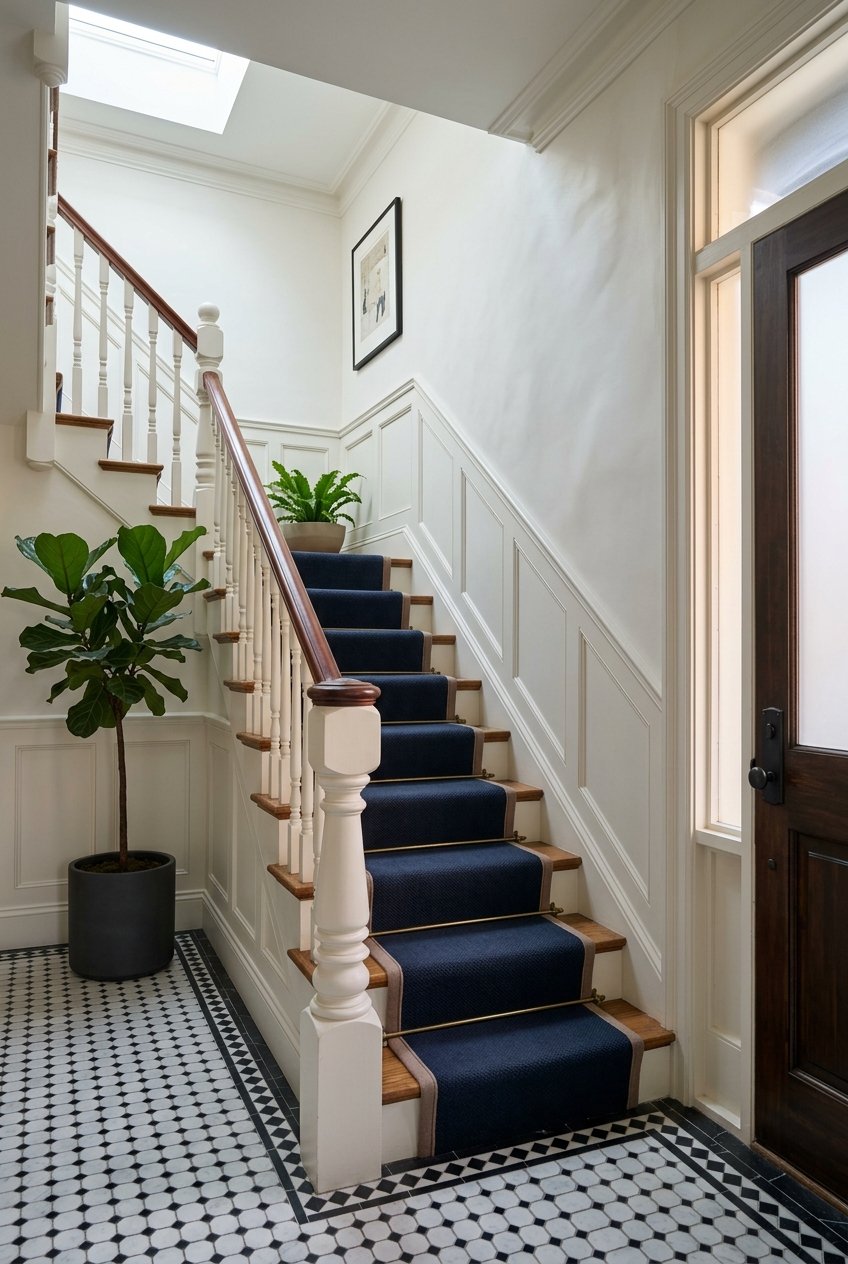
If you picture Harlem brownstone living as a movie set, it helps to look closer. The real experience is more layered: historic rowhouse blocks, busy commercial corridors, strong transit access, and cultural institutions that shape daily life as much as the architecture does. If you are thinking about buying, selling, or simply understanding this housing type, knowing how the buildings and the neighborhood work together can give you a much clearer view. Let’s dive in.
Harlem Brownstones in Context
Harlem’s brownstone identity is closely tied to Central Harlem, a compact area of about 1.5 square miles with roughly 107,000 residents, according to Manhattan Community Board 10. That scale helps explain why the neighborhood often feels highly local from block to block. One street can feel quiet and residential, while the next is active with shopping, dining, and transit.
That is part of what makes Harlem distinct. Brownstone living here is not separated from city life. Instead, it sits inside a neighborhood where residential streets and major urban corridors overlap in a very New York way.
Harlem Architecture Has Variety
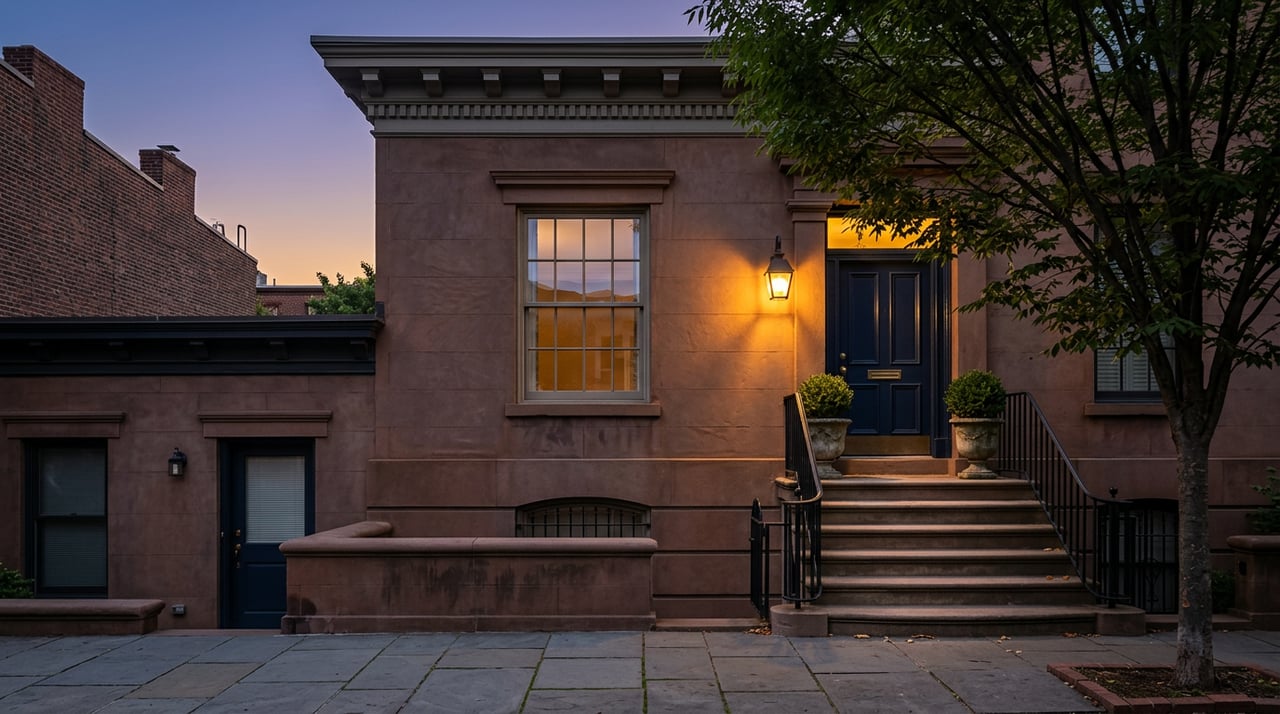
One of the biggest misconceptions about Harlem brownstones is that they all look the same. In reality, the neighborhood’s late-19th-century rowhouses span several architectural styles, including neo-Grec, Queen Anne, Renaissance Revival, Romanesque Revival, and neo-Renaissance.
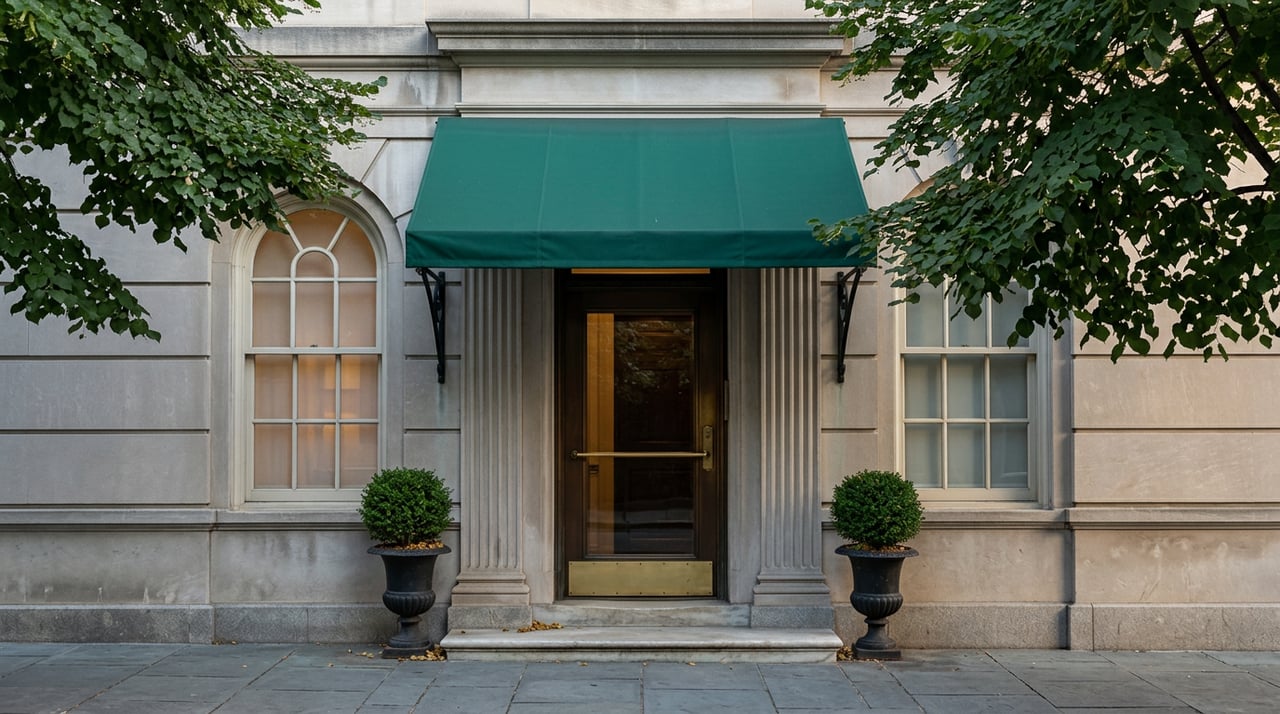
That mix gives many Harlem blocks a cohesive look without making them feel repetitive. You may see similar heights, stoops, and façades along a row, but the details often shift from house to house. Cornices, masonry, window shapes, and decorative elements create that sense of variation.
Historic Districts Shape the Streetscape
Preservation is a major part of Harlem’s housing story. The Landmarks Preservation Commission identifies several Harlem historic districts and landmark areas, including the Mount Morris Park Historic District Extension, which includes more than 250 row houses faced with brick and brownstone, and the Central Harlem-West 130th-132nd Streets Historic District, which includes more than 160 buildings.
These designations matter because they help preserve the character of the streetscape. They also reflect Harlem’s architectural and historical significance, not just the appearance of individual homes.
Not Every Brownstone Is the Same Thing
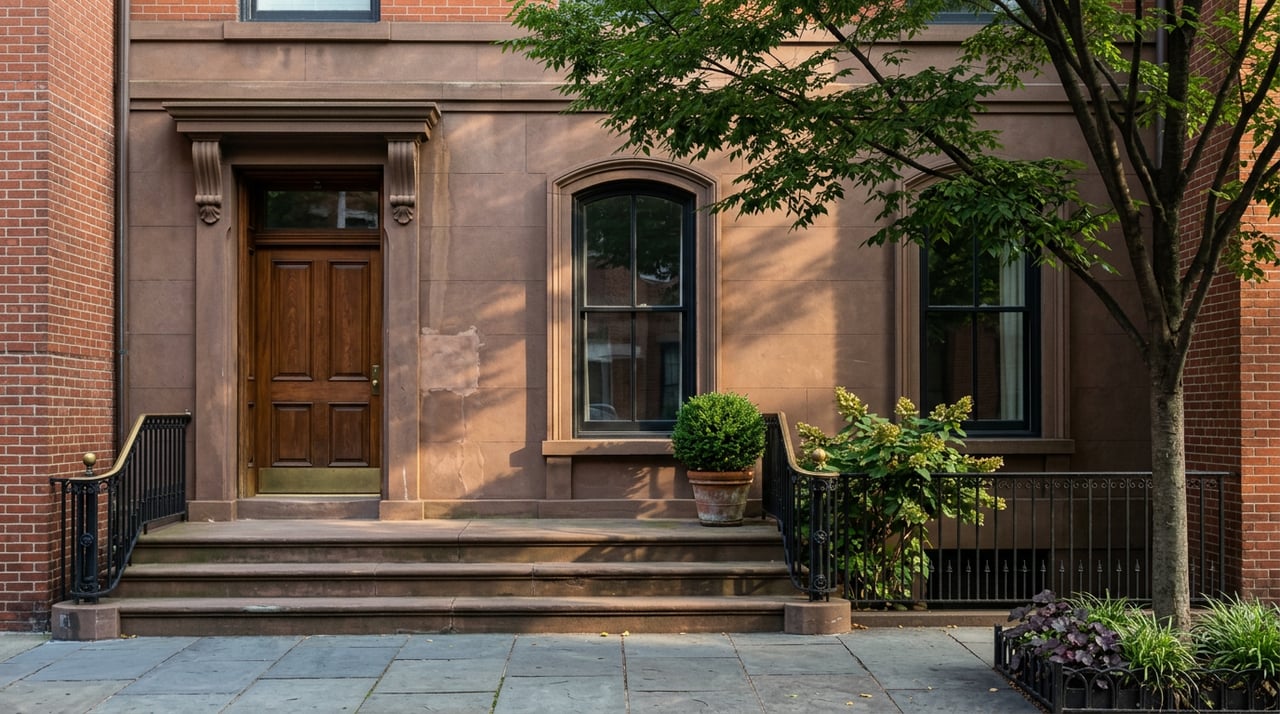
In practical terms, a classic Harlem brownstone is usually best understood as a rowhouse. The Landmarks Preservation Commission defines a rowhouse as an attached house in an unbroken line with shared party walls. It also defines a stoop as the steps leading to the front door, which is one of the clearest visual markers of this housing type.
For you as a buyer or owner, that usually means a narrow frontage and a vertical layout spread across multiple levels. It also means the lower level deserves a careful look, since a basement and a cellar are not the same thing in townhouse conversations.
What Daily Routine Feels Like
Living in a Harlem brownstone is not only about owning a historic home. It is also about how your routine unfolds around it. In Harlem, daily life often combines townhouse calm on side streets with fast access to transit, errands, parks, and cultural destinations.
That creates a rhythm that feels both residential and deeply connected to the city. You are not stepping into an isolated enclave. You are stepping into a neighborhood with movement, history, and strong public infrastructure.
Transit Is a Major Advantage
Harlem has unusually strong transit access for a neighborhood known for townhouse blocks. The MTA says Harlem-125 Street is an accessible Metro-North station on the Harlem, Hudson, and New Haven lines, with bus connections that include the M60-SBS, M1, M35, M98, M101, M103, and M125.
Subway access also shapes the routine. Around Harlem’s core, there are multiple touchpoints, including A, C, and D service on the west side of 125th Street and 2 service on Lenox Avenue. For many residents, that mix supports commuting, airport access, and easier movement across Manhattan and beyond.
Errands and Dining Happen Across Corridors
Harlem does not revolve around just one retail strip. City sources describe 125th Street as Harlem’s Main Street and a major mixed-use transportation spine, while Community Board 10 notes that Frederick Douglass Boulevard has emerged as a primary north-south commercial corridor with restaurants and small businesses.
That means your day-to-day pattern may include a quieter block at home and a busier avenue just a short distance away. Coffee, groceries, services, transit, and dining often sit within a few blocks of each other, which is a key part of the appeal.
Parks, Libraries, and Healthcare Add Practicality
Routine also depends on nearby institutions that support everyday life. Marcus Garvey Park remains one of Harlem’s best-known open-space landmarks, and the Harlem Library at 9 West 124th Street is a long-established New York Public Library branch.
NYC Health + Hospitals/Harlem, located at 506 Lenox Avenue at 135th Street, is another important neighborhood anchor. These places may not be the first thing people picture when they imagine a brownstone, but they matter when you think about how a neighborhood actually works over time.
Harlem Culture Is Part of the Experience
In Harlem, housing and culture are closely connected. Living in a brownstone here often means being near institutions that continue to shape the neighborhood’s identity, rather than simply commemorate its past.
The Apollo Theater has been rooted in Harlem since 1934. The Studio Museum in Harlem describes itself as a nexus for artists of African descent, and the National Jazz Museum in Harlem identifies as a vibrant cultural hub. The Schomburg Center for Research in Black Culture is also a major focal point of Harlem’s cultural life.
Why Preservation Means More Here
Historic district designations in Harlem are not only about protecting façades. Landmarks materials emphasize that these blocks also carry social, political, and artistic significance, including connections to the Harlem Renaissance and the Civil Rights era.
That broader context gives brownstone living in Harlem a different feel from a purely architectural district. The neighborhood is historic, but it is not frozen. Its institutions remain active parts of daily life.
What Buyers Should Know About Ownership
If you are considering a Harlem brownstone, it helps to approach the property as both a home and a specialized building type. The appeal is real, but so is the need for clarity about what you can change, what you are buying, and how the home fits into the block around it.
For many buyers, this is where local townhouse expertise matters most. Details that seem small on paper can shape both your ownership experience and long-term planning.
Landmark Status Affects Exterior Changes
A landmarked brownstone is not a completely open canvas. The Landmarks Preservation Commission states that any alteration, reconstruction, demolition, or new construction affecting a designated building must be approved in advance.
In practice, exterior work such as façade updates, window changes, stoop work, or additions may require review. If you are evaluating a property, understanding whether it is in a historic district or individually designated is an important early step.
Brownstones Coexist With New Development
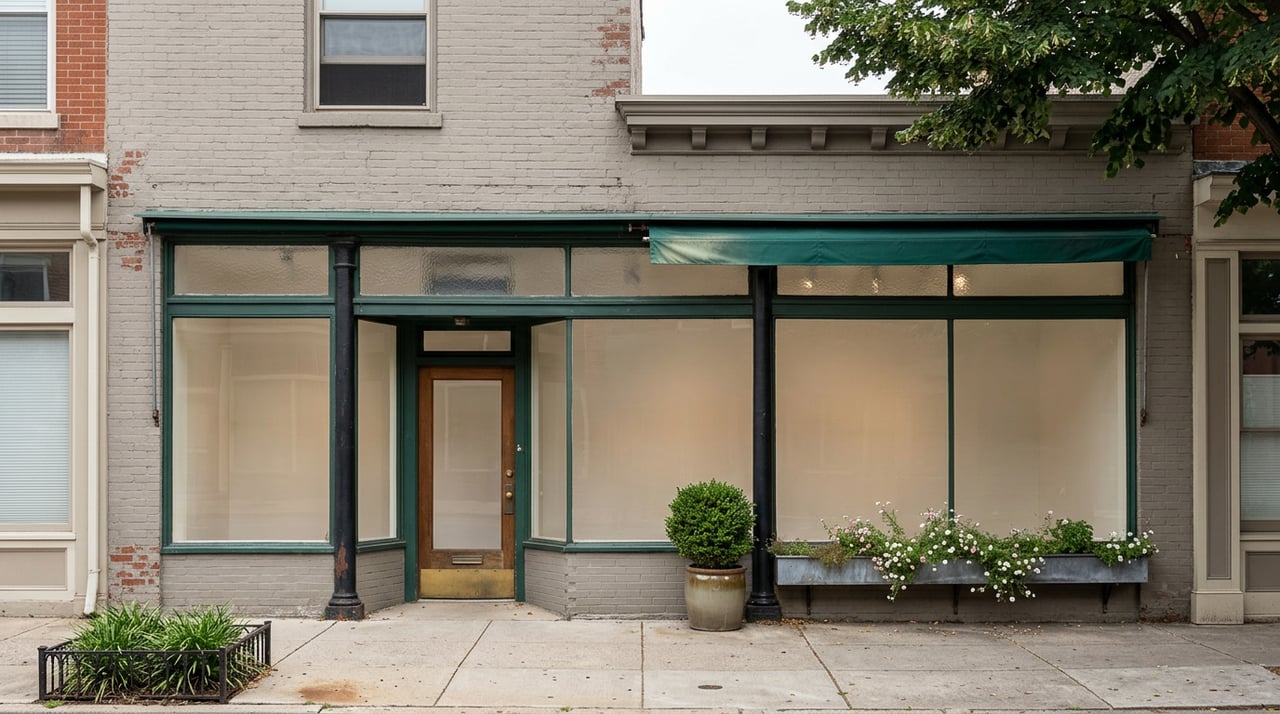
Harlem’s market today is best understood as layered. Alongside landmarked rowhouses and brownstones, newer mixed-use and condo-style development is also part of the neighborhood landscape.
That pattern reflects a neighborhood that is both historic and evolving. The result is a market where one block may feel rooted in late-19th-century rowhouse character, while another shows newer residential product and commercial growth nearby.
What Sellers Can Highlight
If you are selling a Harlem brownstone, the story is usually bigger than square footage alone. Buyers often respond to the combination of architectural detail, block identity, transit access, and proximity to cultural and civic institutions.
That does not mean overselling lifestyle in vague terms. It means presenting the home with precision and showing how the property fits into Harlem’s specific pattern of historic streets, active corridors, and everyday convenience.
The Best Marketing Starts With Specifics
For a Harlem brownstone, details matter. Shared party walls, stoop entry, vertical layout, façade materials, and the home’s relationship to a historic district can all shape buyer perception.
Strong positioning also explains the neighborhood clearly. Harlem can feel historic on one block, commercial on the next, and newly developed a few avenues over. When that nuance is presented well, buyers can understand the asset more confidently.
If you are considering a move in Harlem or evaluating a townhouse purchase or sale, working with an advisor who understands New York brownstones block by block can make the process much more informed. For tailored guidance on Harlem townhouses, brownstones, and other luxury residential opportunities, connect with The Kantha Team.
FAQs
What defines a Harlem brownstone or rowhouse?
- A Harlem brownstone is typically an attached rowhouse with shared party walls, a narrow vertical layout, and a stoop leading to the front door.
Are all Harlem brownstones in historic districts?
- No. Some brownstones are within historic districts or are individually designated, while others are not.
What exterior changes may need review for a Harlem landmarked brownstone?
- Exterior work such as façade changes, window replacements, stoop work, additions, or other visible alterations may require advance approval.
How does transit shape routine in Harlem brownstone living?
- Harlem offers strong access to Metro-North, buses, and multiple subway lines, which can make commuting and city travel a major practical advantage.
Is Harlem mainly residential or commercial?
- Harlem is both, with historic townhouse side streets alongside active commercial corridors like 125th Street and Frederick Douglass Boulevard.
How do newer buildings fit into Harlem’s brownstone market?
- Newer mixed-use and condo-style developments exist alongside landmarked rowhouses, creating a neighborhood that feels both historic and evolving.