Tribeca Lofts as a Distinct Investment Class: 2026 Valuation & Regulatory Guide
Tribeca lofts behave as an asset class distinct from standard Manhattan condos due to finite historic building stock, strict Landmarks Preservation Commission (LPC) protections, and Special Tribeca Mixed-Use District rules. With median sale prices near $3,400,000 to $3,500,000 and gross yields hovering around 2.8%, these architectural properties favor long-term capital preservation over short-term cash flow.
Valuation Metric | Tribeca Loft Benchmark | Manhattan Condo Average | Investment Implication |
|---|---|---|---|
Median Sale Price | $3,400,000 to $3,500,000 | $1,661,000 | Commands top-tier equity entry threshold in global luxury real estate |
Median Price Per Sq. Ft. | $1,786 to $3,100+ (High-Floor/PH) | $2,099 | Valuation varies based on ceiling height, window scale, and building pedigree |
Median Monthly Base Rent | $7,897 / month | $5,495 (West Village) / $4,695 (FiDi) | High tenant demand driven by proximity to Financial District and Hudson River Park |
Estimated Gross Yield | ~2.8% Gross | 3.2% to 3.8% | Functions primarily as long-term equity preservation & capital appreciation asset |
Evaluating a historic loft purchase or sale in Tribeca?
Analyze live neighborhood comps or schedule a confidential advisory call with our townhouse and loft specialists:
What makes a Tribeca loft feel different from almost any other Manhattan purchase? It is not just the square footage or the price point. It is the fact that many of these homes come from former industrial and commercial buildings with a level of scarcity, character, and regulatory complexity that standard condo comparisons often miss. If you are weighing Tribeca as part of a long-term property strategy, this guide will help you understand why lofts behave like a distinct investment class.
Why Tribeca Lofts Stand Apart from Standard Manhattan Condos
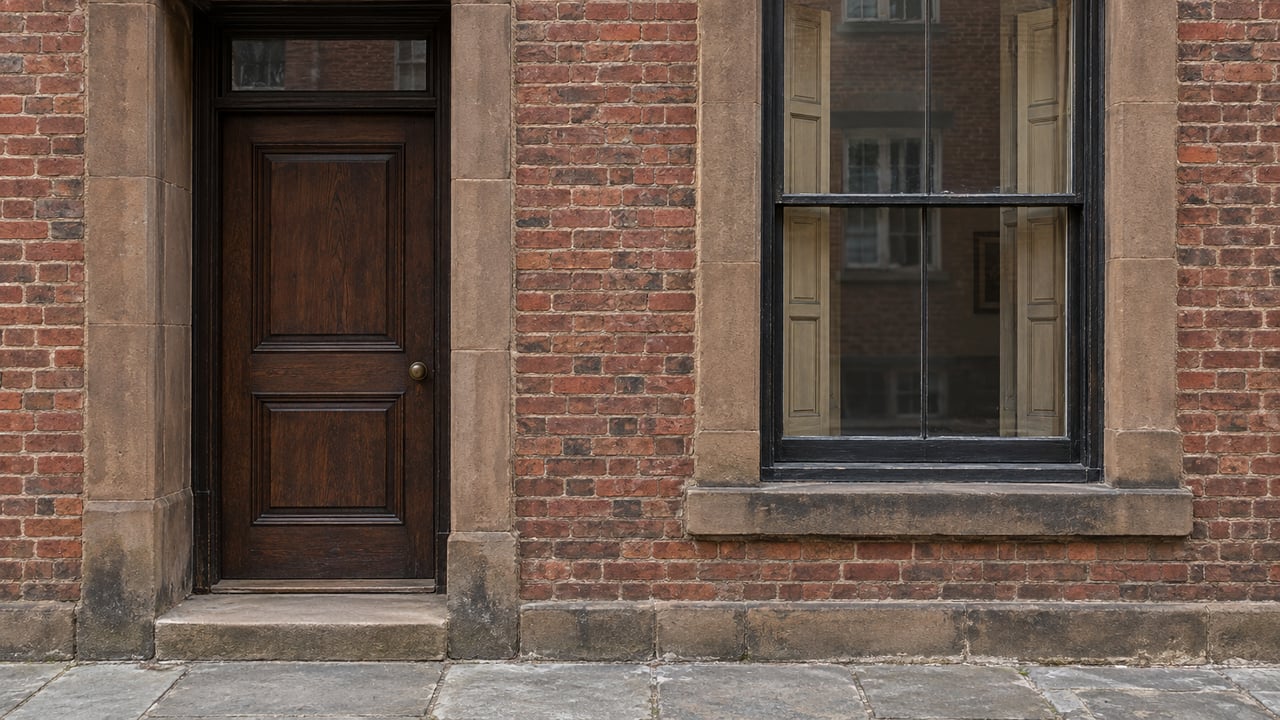
Tribeca lofts are rooted in the neighborhood's industrial past. The Landmarks Preservation Commission identifies multiple historic districts across the area, including Tribeca East, North, South, South Extension, and West. In the Tribeca South Historic District Extension alone, 28 predominantly five-story store-and-loft buildings from the 1850s stand as intact examples of commercial architecture designed for large, open interiors used to store and sell goods.
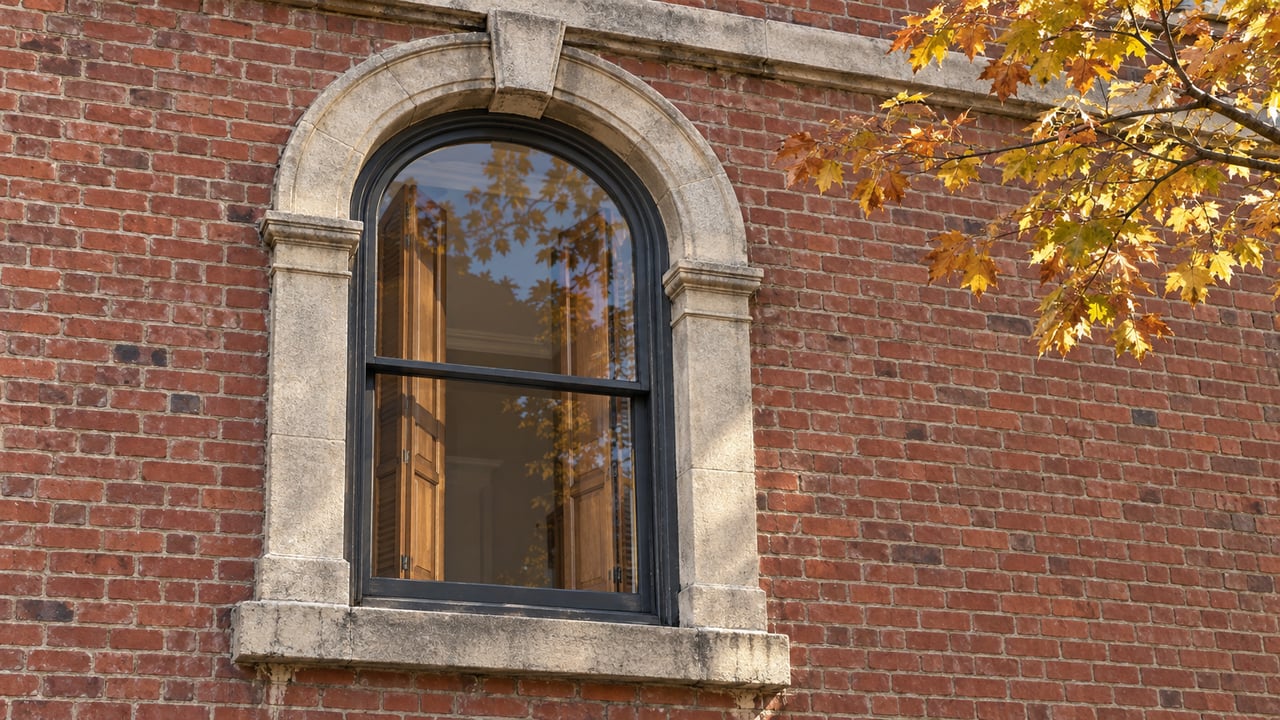
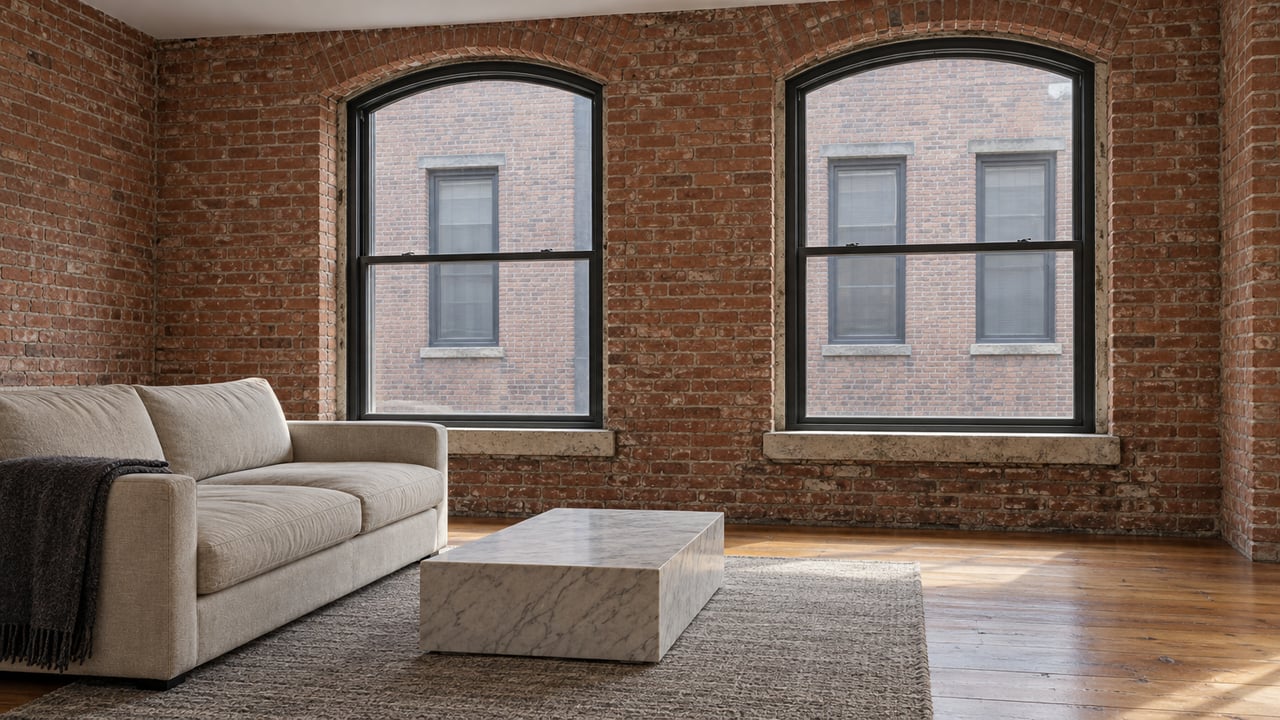
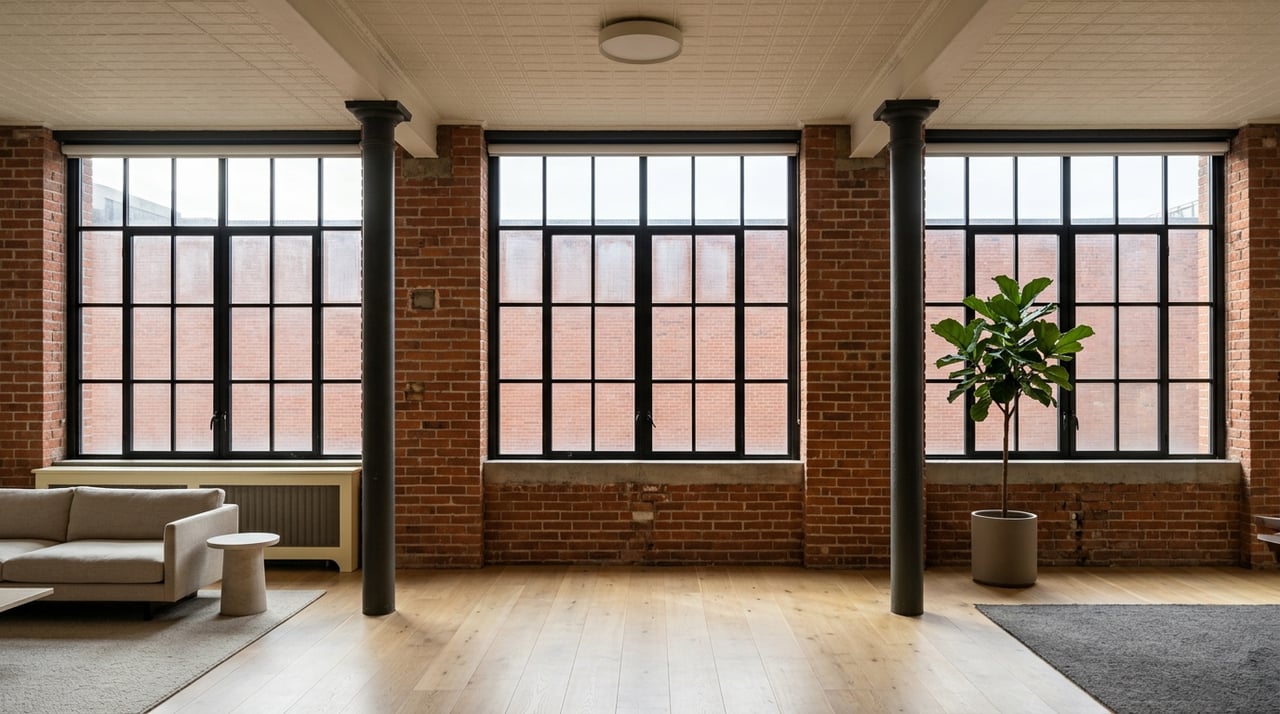
That history shaped the real estate product seen today. Many Tribeca homes were created through residential conversions of 19th-century warehouses and commercial structures rather than constructed as conventional modern residential towers. As a result, buyers value original architectural proportions, oversized arched windows, open column layouts, and building pedigree in ways that do not neatly match broader condo metrics.
- NYC Landmarks Preservation Commission (LPC): 1 Centre Street, 9th Floor, New York, NY 10007
- Primary Zoning Governance: Special Tribeca Mixed-Use District (TMU Zoning Rules)
- Historic District Overlay: Tribeca East, West, North, South, and South Extension Historic Districts
- Transit & Location Access: Proximity to Financial District employment centers, Hudson River Park, and A/C/E 1/2/3 subway nodes
The supply story further cements value. In LPC-designated historic buildings, significant exterior work, including alteration, reconstruction, facade restoration, or additions, requires strict commission approval. That renders authentic loft inventory finite and impossible to duplicate, explaining why buyers treat authentic Tribeca lofts as a standalone asset category.
Source: NYC Landmarks Preservation Commission (LPC) Designation Reports & NYC Department of City Planning TMU Zoning Guidelines 2026.
Why Generic Manhattan Condo Comps Fall Short
Relying solely on aggregate Manhattan condo averages makes Tribeca difficult to price accurately. For context, general Manhattan market reports reflect a condo resale median sales price of $1.661 million with an average price per square foot of $2,099 and 78 days on market. Useful as broad benchmarks, these figures fail to capture the economics of Tribeca lofts.
Neighborhood-specific market reports place Tribeca in a significantly higher tier, with median sale prices ranging between $3,400,000 and $3,500,000. Verified monthly transaction volume in the neighborhood can be as low as 11 sales in a single month, demonstrating how thin and exclusive the active trading environment remains.
Low transaction volume is a critical consideration for investors. In a thin market, individual loft valuation depends heavily on specific building pedigree, floor plate dimensions, light exposures, renovation condition, and private elevator access rather than citywide averages. A Tribeca loft trades against a narrow, building-specific comp set rather than general condo inventory.
Broad Price Dispersions Across Tribeca Loft Inventory
Active market listings illustrate the wide pricing spread across the neighborhood:
- Prime Architectural 3-Bedroom Residence: $11,495,000 (3,373 sq. ft. | ~$3,408 / sq. ft.)
- Luxury Penthouse Residence: $12,000,000 (2,936 sq. ft. | ~$4,087 / sq. ft.)
- Entry-Tier 3-Bedroom Convertible Loft: $2,800,000 (1,400 sq. ft. | ~$2,000 / sq. ft.)
These variations highlight how scale, historic provenance, interior ceiling clearance, structural cast-iron column placement, and street location place properties into distinct pricing tiers. Accurate underwriting requires examining asset-specific attributes rather than applying blanket neighborhood metrics.
Tribeca Rental Yields & Asset Preservation Economics
Tribeca maintains a premium position in the Manhattan rental market. The neighborhood's median base rent stands at $7,897 per month, significantly outpacing nearby high-end rental markets including West Village ($5,495 / month), SoHo ($5,995 / month), and the Financial District ($4,695 / month).
Active rental examples confirm this upper-tier profile: 1-bedroom lofts rent between $5,200 and $8,162 monthly, 2-bedrooms command $6,999 to $10,800, and full-floor 3-bedroom residences command upwards of $18,000 per month.
Comparing median base rents against median acquisition prices reveals an estimated gross rental yield of approximately 2.8% prior to real estate taxes, common charges, and maintenance. This macro yield metric indicates that Tribeca lofts perform primarily as capital preservation and long-term appreciation vehicles rather than high-yield rental plays.
Source: Douglas Elliman Real Estate Q4 Market Reports & StreetEasy Tribeca Market Data 2026.
Regulatory Complexities: LPC Oversight & Special Tribeca Mixed-Use Rules
Regulatory oversight distinguishes Tribeca lofts from standard condo units. New York City's Special Tribeca Mixed Use District mandates specific residential loft regulations governing light, air, window minimums, legal bedroom configurations, and floor-plate subdivision limits.
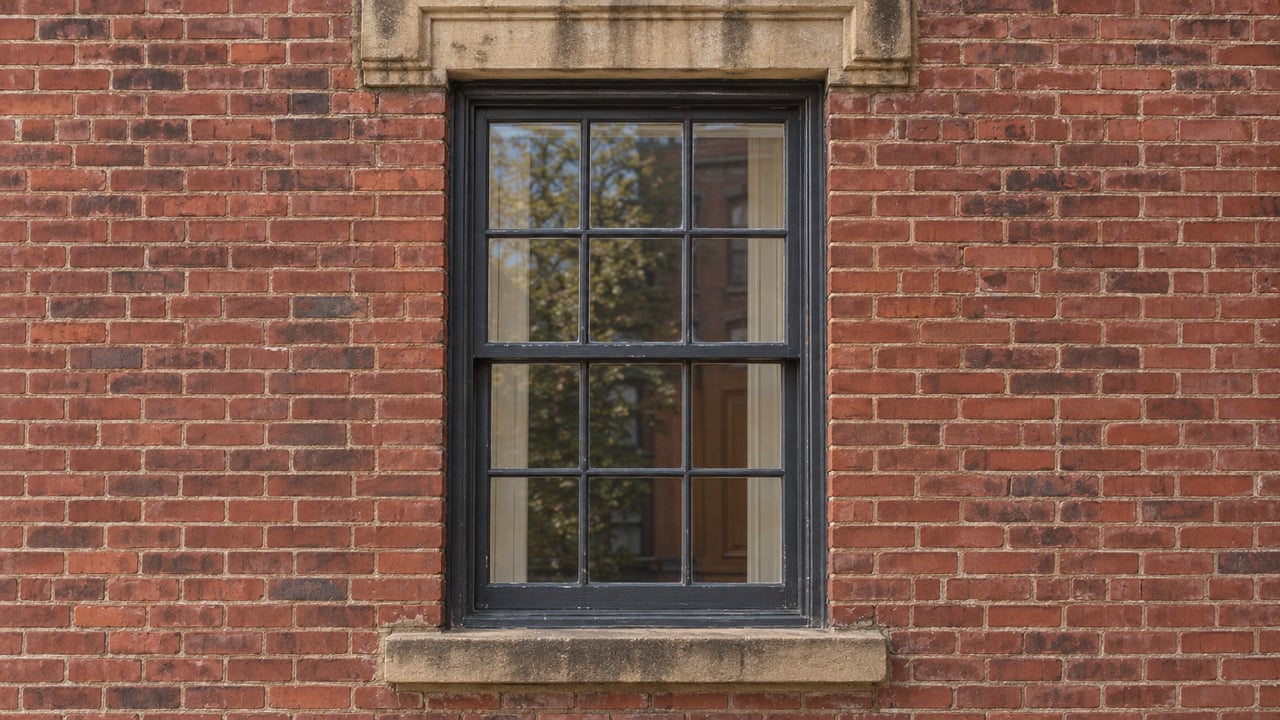
Additionally, properties within LPC historic districts require formal Certificate of Appropriateness or Staff Level approvals for exterior facade work, window replacements, and rooftop terrace additions. These regulatory layers extend renovation timelines, narrow architectural modification scope, and require conservative carrying-cost underwriting during capital improvement phases.
Due Diligence Playbook: What to Evaluate Before Buying
Acquiring a Tribeca loft requires evaluating key structural, regulatory, and financial factors:
- Building Pedigree & Conversion History: Research original industrial construction dates, conversion quality, co-op versus condo structure, and historic architectural significance along the streetscape.
- Layout, Ceiling Heights & Natural Light: Evaluate ceiling clearances, column grid spacing, window proportions, and light exposures, as these fixed physical traits govern future resale velocity.
- Landmarks & Zoning Approvals: Verify DOB Certificate of Occupancy compliance, Article 7-B Loft Law historical filings if applicable, and LPC guidelines before budgeting interior alterations.
- Carrying Costs & Ownership Horizon: Account for real estate taxes, common charges, and maintenance fees alongside an intentional 7 to 10+ year holding period to maximize equity appreciation.
Real Estate Portfolio Leadership
Led by Licensed Associate Real Estate Broker Ravi Kantha, The Kantha Team at SERHANT. is New York City's premier luxury advisory specializing in townhouses, historic lofts, and boutique residential buildings across Downtown Manhattan and Brooklyn. With over $1 billion in career residential sales, the team delivers precise regulatory guidance, bespoke pricing strategy, and white-glove client representation.
HQ: SERHANT. House, 372 West Broadway, New York, NY 10012 | Explore our team profile and track record
Frequently Asked Questions
What makes Tribeca lofts different from standard Manhattan condos?
Many Tribeca lofts originated as 19th-century commercial and industrial structures. Consequently, valuation relies on original architectural proportions, ceiling heights, cast-iron columns, and historic building pedigree rather than standard condo comps.
What is the median sale price for Tribeca real estate?
Recent market reports place Tribeca's median sale price between $3,400,000 and $3,500,000, establishing it as one of the highest-priced residential neighborhoods in New York City.
What do Tribeca rental yields suggest about investment strategy?
With a median base rent of $7,897 per month and an estimated gross yield near 2.8% before expenses, Tribeca lofts function primarily as long-term capital preservation and equity appreciation assets rather than yield-focused income properties.
Source Notes: Market data, zoning overlays, and landmark guidelines verified via NYC Department of City Planning, Landmarks Preservation Commission, Douglas Elliman Q4 reports, and REBNY 2026 data.