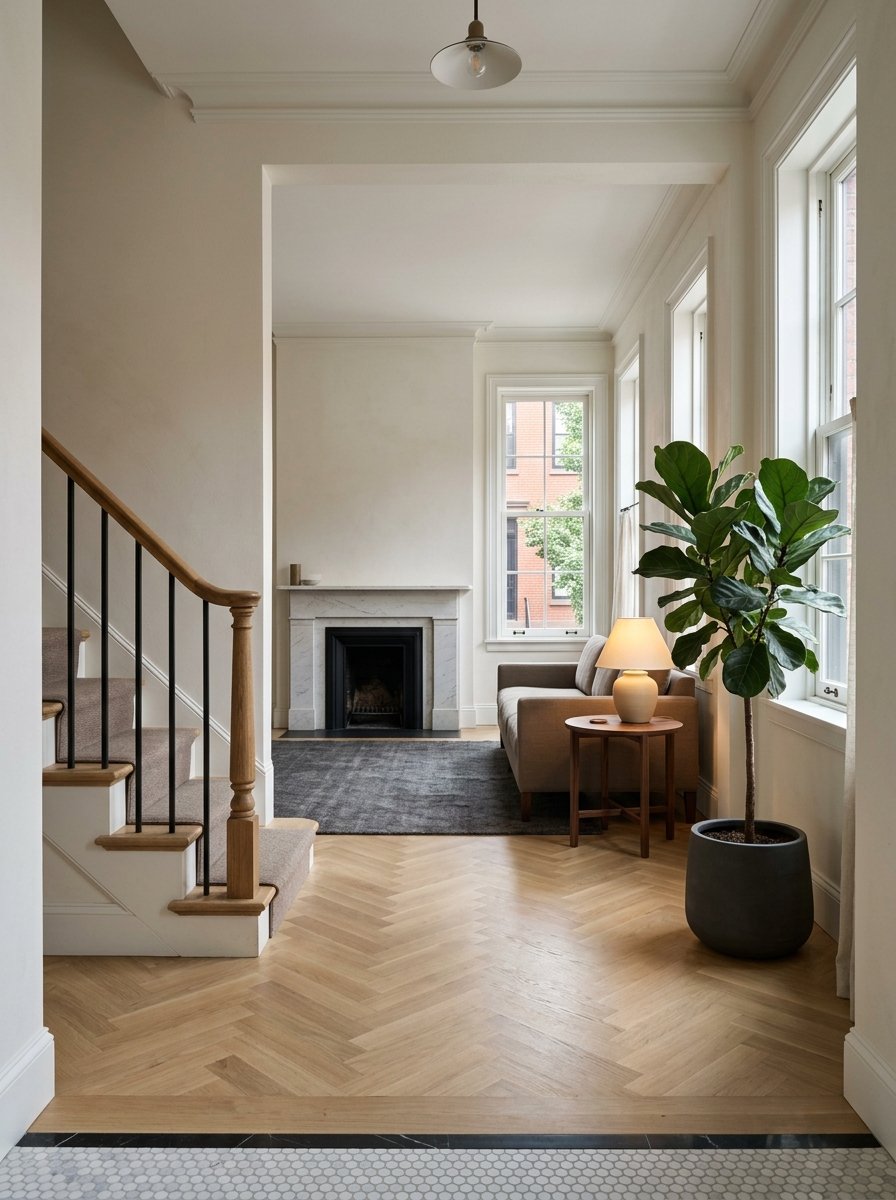
If you are deciding between a Gramercy townhouse and a condo, you are really choosing between two very different ways of living. In this part of Manhattan, the differences go far beyond square footage or price. Your day-to-day experience, your level of privacy, your building rules, and your long-term upkeep can all change depending on the property type. This guide breaks down how townhouse, condo, and co-op living differ in Gramercy so you can compare them with more clarity. Let’s dive in.
Why Gramercy Feels Different
Gramercy has a distinct identity within Manhattan. It is often described as a quieter residential enclave with an old-world feel, especially around Gramercy Park itself. That setting shapes buyer interest because the neighborhood offers a mix of historic townhouse blocks, established co-op buildings, and newer condo inventory.
The housing mix also matters. In mid-May 2026, StreetEasy showed about 3 houses, 90 co-ops, and 95 condos for sale in Gramercy Park, with a median sale price near $1.0 million and a median time on market of 52 days. That means townhouse inventory is especially limited, while apartment options make up most of the available market.
A major point of distinction is Gramercy Park. According to New York City Planning, it is one of the city’s privately owned parks held in common, and residents in buildings facing the park may purchase a key. In practical terms, that adds another layer of scarcity and appeal to certain addresses near the park.
Townhouse Living in Gramercy
Townhouses Feel More Like Private Homes
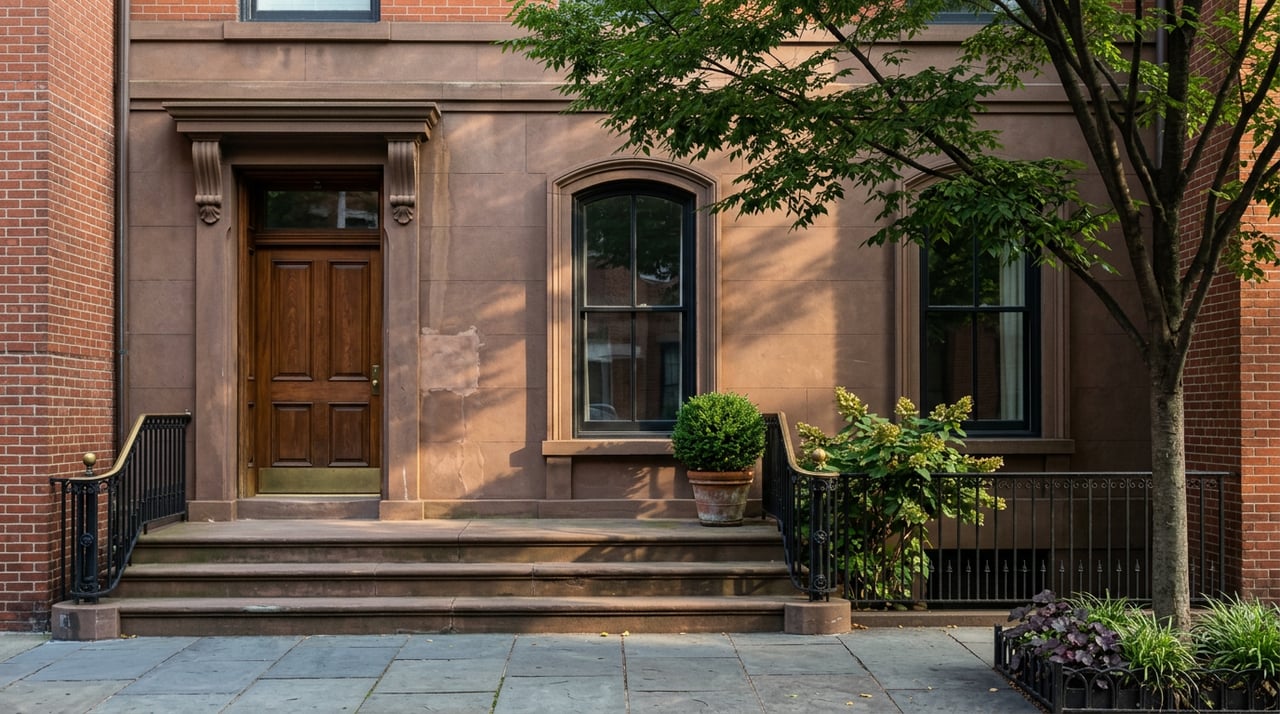
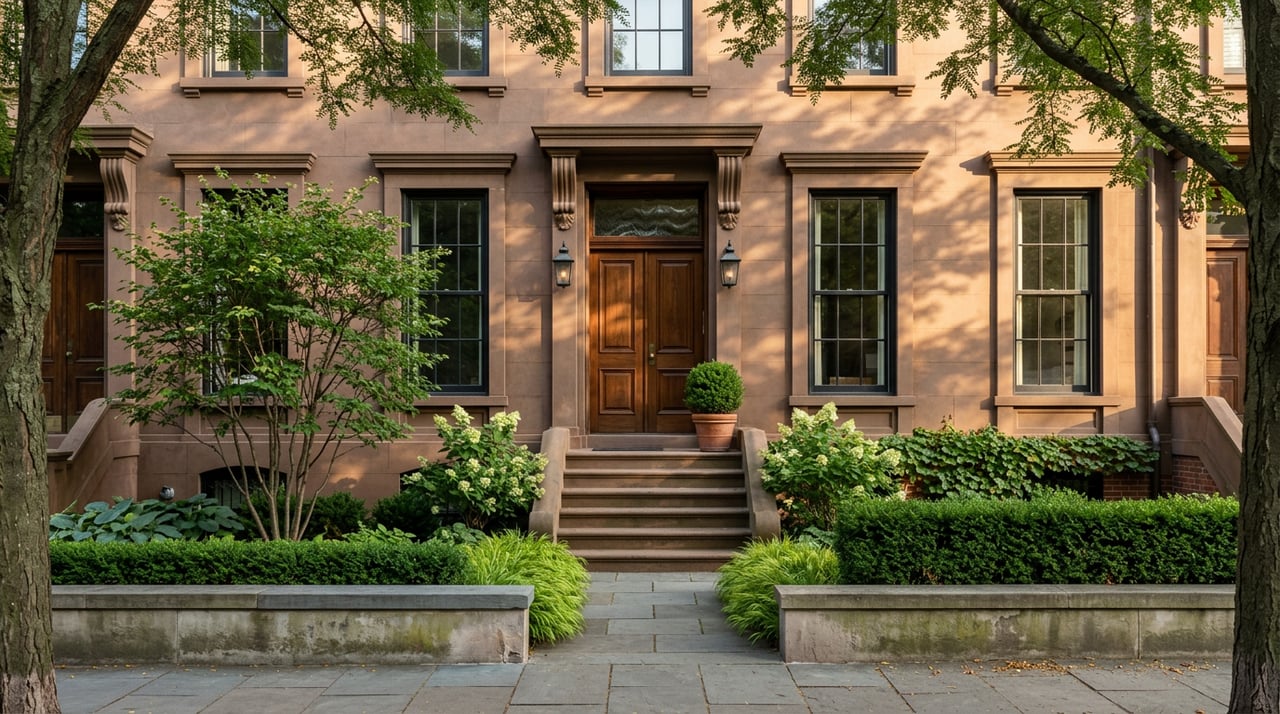
A Gramercy townhouse usually offers the most house-like lifestyle in the neighborhood. Instead of sharing walls, elevators, and building systems with many other residents, you are typically living in a single building with direct control over how the property functions day to day.
That can mean more privacy, more separation from neighbors, and a different rhythm to daily life. You may have multiple floors, more distinct living zones, and a stronger sense of independence than you would in a traditional apartment building.
One StreetEasy example, 243 East 17th Street, shows how dramatic that format can be. It is a single townhouse built in 1852 with 1 unit, 4 stories, about 8,500 square feet, 6 bedrooms, and 5 or more baths, listed at $13.995 million. The listing notes that common charges are not applicable, which highlights how townhouse ownership is often structured more like a private home than an apartment.
More Control Also Means More Responsibility
The same independence that makes townhouse living appealing can also create more work. In a one-unit building, you are typically more directly responsible for upkeep, repairs, and long-term maintenance planning.
That matters even more in Gramercy because parts of the neighborhood are landmarked. If your townhouse sits within a historic district, exterior alterations are subject to review by the Landmarks Preservation Commission, and the owner must keep the building in good repair. For buyers who value control, that can still be very attractive, but it usually requires more planning and coordination.
Who Townhouses Often Suit Best
Townhouse living often appeals to buyers who want space, privacy, and a more autonomous ownership experience. If you prefer direct control over your building and are comfortable managing maintenance over time, a townhouse may feel like the clearest fit.
In Gramercy, that lifestyle is also tied to rarity. With so few houses available at any given time, townhouse buyers are usually shopping a highly limited segment of the market.
Condo Living in Gramercy
Condos Blend Privacy and Convenience
Condos in Gramercy can offer a very different type of luxury. You still own your unit, but you do so within a shared building structure that may include staffed service, resident amenities, and more centralized property management.
For many buyers, this creates a middle ground. You can enjoy a high level of privacy inside your residence while outsourcing much of the building upkeep that would fall on you in a townhouse.
Boutique Condos Offer a More Private Feel
Some Gramercy condos are relatively small and intimate. A good example is 57 Irving Place, a 9-unit, 11-story condo built in 2010. An active listing there, Residence 5, includes 3 bedrooms, 3.5 baths, about 2,872 square feet, and a $5.75 million asking price.
What stands out is the daily-life setup. The listing highlights full-floor key-elevator access, 24-hour full service, a private terrace, and dedicated storage, cold storage, and package rooms. That combination can feel highly private while still giving you the convenience of a managed building.
Larger Condos Can Emphasize Amenities
Other condos in Gramercy lean more heavily into amenities. Gramercy Starck at 340 East 23rd Street has 207 apartments across 21 stories and includes a 24-hour doorman, live-in superintendent, fitness center, sauna, steam room, resident lounge, outdoor terrace, library, screening room, billiards room, and roof deck.
This kind of building offers a more vertical, shared living experience. In exchange, you may gain services and shared spaces that a townhouse owner would need to create or arrange privately.
Condo Costs and Ownership Structure
Condo ownership comes with monthly common charges and property tax considerations that differ from townhouse ownership. New York City’s Department of Finance classifies condos and co-ops as tax class 2 properties and values them as income-producing buildings for tax purposes, even though they are not income-producing in the typical everyday sense.
Eligible primary-residence condo units may also benefit from the city’s cooperative and condominium property tax abatement. In practice, the board or managing agent applies on behalf of the development rather than individual owners. For buyers, the larger point is that condo carrying costs should be evaluated as part of the building’s broader operating structure.
Where Co-ops Fit Into the Gramercy Picture
Co-ops Can Feel Similar, But Work Differently
Even though this comparison focuses on townhouses and condos, co-ops are too important to ignore in Gramercy. Inventory in the neighborhood includes a large number of co-op listings, and some co-op buildings offer a service level that can rival luxury condos.
The key difference is ownership structure. According to the New York State Attorney General, when you buy a co-op, you are purchasing shares in a corporation and receiving a long-term proprietary lease. Maintenance charges are based on the number of shares allocated to the apartment.
Rules May Be More Structured
Co-ops can offer a polished and secure living experience, but they often come with more defined rules. Financing limits, subletting policies, and board approval standards can all affect how flexible the ownership experience feels.
Gramercy examples show this range clearly. Fifty Gramercy Park North is a 23-unit, 17-story co-op building with concierge, a full-time doorman, elevator, laundry, and valet service. The Sage House is a pre-war co-op with a full-time doorman, live-in resident manager, laundry, bike room, private storage, 80% financing, and sublets allowed with board approval.
Comparing Daily Life in Gramercy
Townhouse vs Condo at a Glance
Here is a simple way to think about the tradeoffs:
| Living Style | What It Often Feels Like | Main Advantage | Main Tradeoff |
|---|---|---|---|
| Townhouse | Private home across multiple floors | Control, space, separation | More direct upkeep and maintenance |
| Boutique Condo | Private apartment in a managed building | Convenience with strong privacy | Shared building structure and monthly charges |
| Amenity Condo | Full-service apartment lifestyle | Services and amenities | Less autonomy, more shared spaces |
| Co-op | Service-rich apartment with structured ownership | Often established buildings and services | More rules around financing and subletting |
What Buyers Should Ask Themselves
How Much Control Do You Want?
If you want the ability to make more direct decisions about your property, a townhouse may be the strongest fit. If you would rather rely on a building staff or management structure for many day-to-day needs, a condo may feel easier.
In Gramercy, this question matters even more because historic buildings can involve additional exterior review and maintenance planning. Independence can be valuable, but it comes with real operational responsibility.
How Important Are Amenities?
Some buyers want a roof deck, fitness center, package handling, and staffed service built into the ownership experience. That usually points more directly to condo living, especially in larger full-service buildings.
If those features are not priorities, a townhouse or smaller boutique condo may feel more aligned. The right answer depends less on prestige and more on how you want to live every day.
How Do You Want to Handle Carrying Costs?
Every property type has its own cost structure. Townhouses often shift more expenses directly to the owner and do not typically have common charges in the same way apartment buildings do. Condos and co-ops usually involve monthly charges tied to the building, while co-ops also package ownership differently through shares and maintenance.
When comparing options, it helps to look beyond the asking price. The better comparison is the full monthly and long-term ownership picture.
The Gramercy Advantage Is in the Fit
In a neighborhood as layered as Gramercy, there is no single best property type. The better choice is the one that matches your priorities around privacy, service, autonomy, and upkeep.
A townhouse can offer a rare, highly independent living experience. A condo can provide convenience, amenities, and a more managed version of luxury ownership. A co-op may offer a classic Gramercy building experience with a more structured ownership model.
If you are weighing these options in Gramercy, nuanced guidance matters. The details of building type, landmark context, carrying costs, and day-to-day lifestyle all shape whether a property truly fits your goals. To explore townhouse and condo opportunities with a team that understands New York’s high-touch residential market, connect with The Kantha Team.
FAQs
What is the main lifestyle difference between a Gramercy townhouse and a Gramercy condo?
- A Gramercy townhouse usually feels more like a private home with more control and separation, while a Gramercy condo typically offers a managed apartment lifestyle with shared building services and possible amenities.
Are Gramercy townhouses rare compared with condos and co-ops?
- Yes. In mid-May 2026, StreetEasy showed only 3 houses for sale in Gramercy Park, compared with 90 co-ops and 95 condos.
Do Gramercy condos usually include amenities?
- Some do, especially larger full-service buildings. Amenities can include a doorman, fitness center, roof deck, lounges, storage, and package rooms, though offerings vary by building.
How is ownership different in a Gramercy co-op?
- In a Gramercy co-op, you buy shares in a corporation and receive a proprietary lease rather than owning real property in the same way you do with a condo or townhouse.
Do landmark rules affect Gramercy townhouses?
- Yes. If a townhouse is in a historic district, exterior alterations require Landmarks Preservation Commission review, and the owner is responsible for keeping the building in good repair.
Can residents near Gramercy Park get access to the park?
- According to New York City Planning, residents living in buildings facing Gramercy Park may purchase a key, since the park is privately owned and held in common.