What does brownstone living in the West Village actually feel like day to day? For many buyers, it is less about having the newest building or the biggest footprint and more about living inside one of Manhattan’s most preserved, walkable, and visually distinct neighborhoods. If you are considering a townhouse, row house, or pied-à-terre near the Hudson, understanding that balance of charm, constraints, and convenience can help you decide whether it fits the way you want to live. Let’s dive in.
West Village Brownstone Living Starts With Context
The West Village sits within Manhattan Community Board 2, a district that stretches from 14th Street to Canal Street and from the Hudson River to the Bowery and Fourth Avenue corridor. Within that larger downtown setting, the West Village stands out for its preservation-focused identity and human-scale streetscape.
That preservation is not just a visual detail. The Greenwich Village Historic District Extension along the Hudson waterfront was designated in part to preserve a rare surviving mix of residential, industrial, and commercial buildings, along with the neighborhood’s low- and medium-scale character. If you are drawn to the area, that protected sense of place is a major part of the appeal.
Why Brownstones Feel Different Here
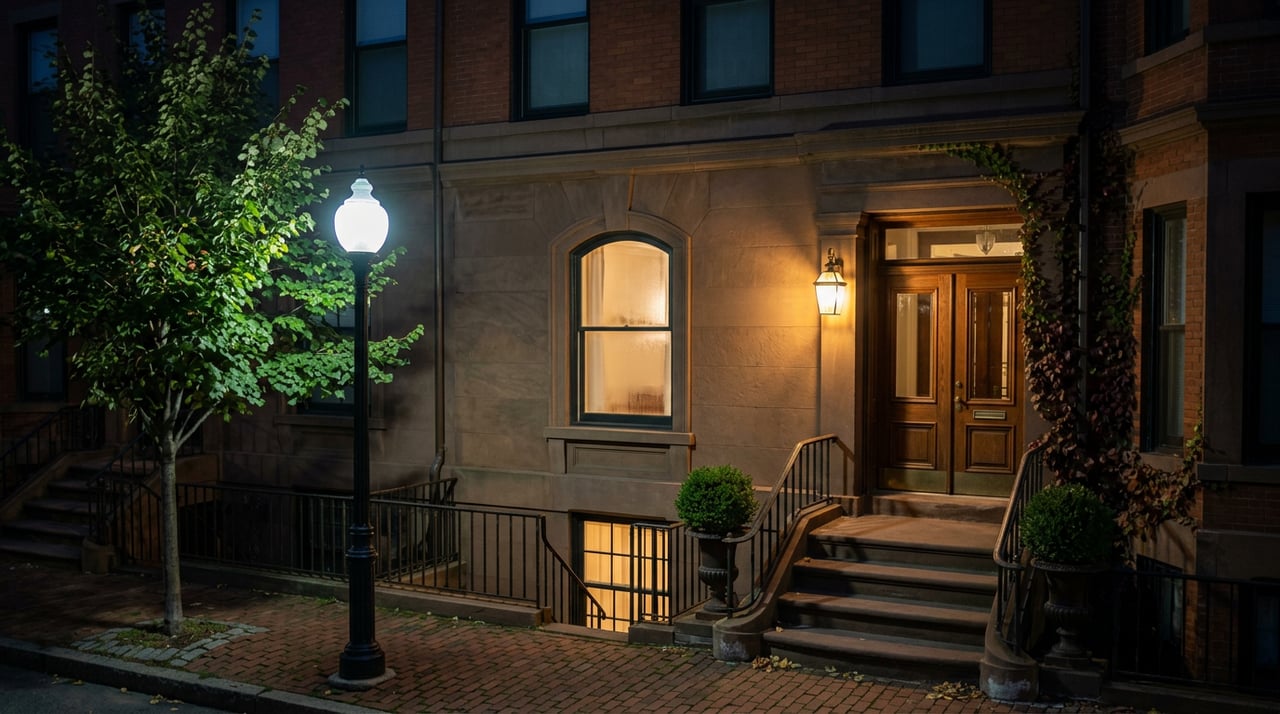
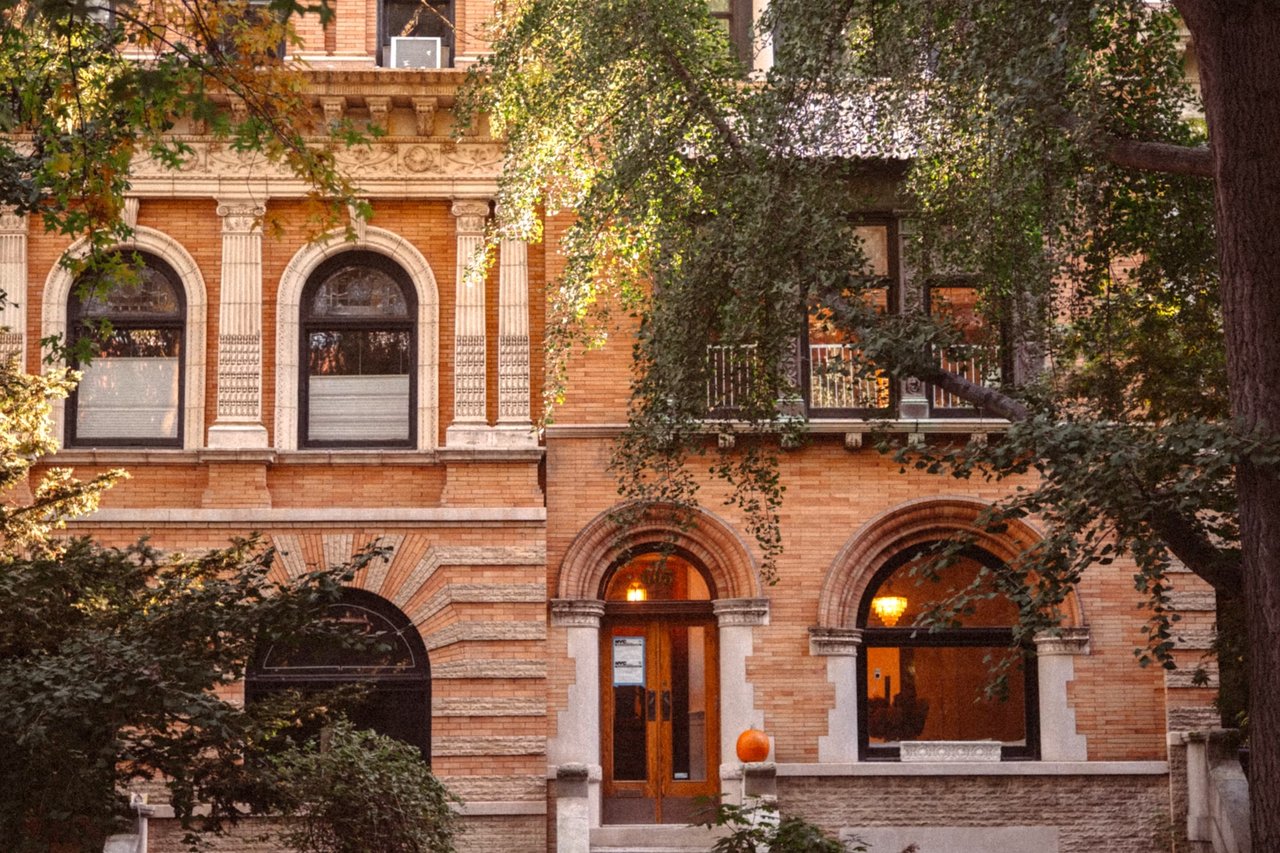
In the West Village, “brownstone living” often means living in or near a historic row-house environment rather than in a new tower. Landmarks Preservation Commission materials for the waterfront areas describe a built fabric that includes row houses, tenements, stables, and public buildings, with some residences dating to roughly 1819 through 1853.
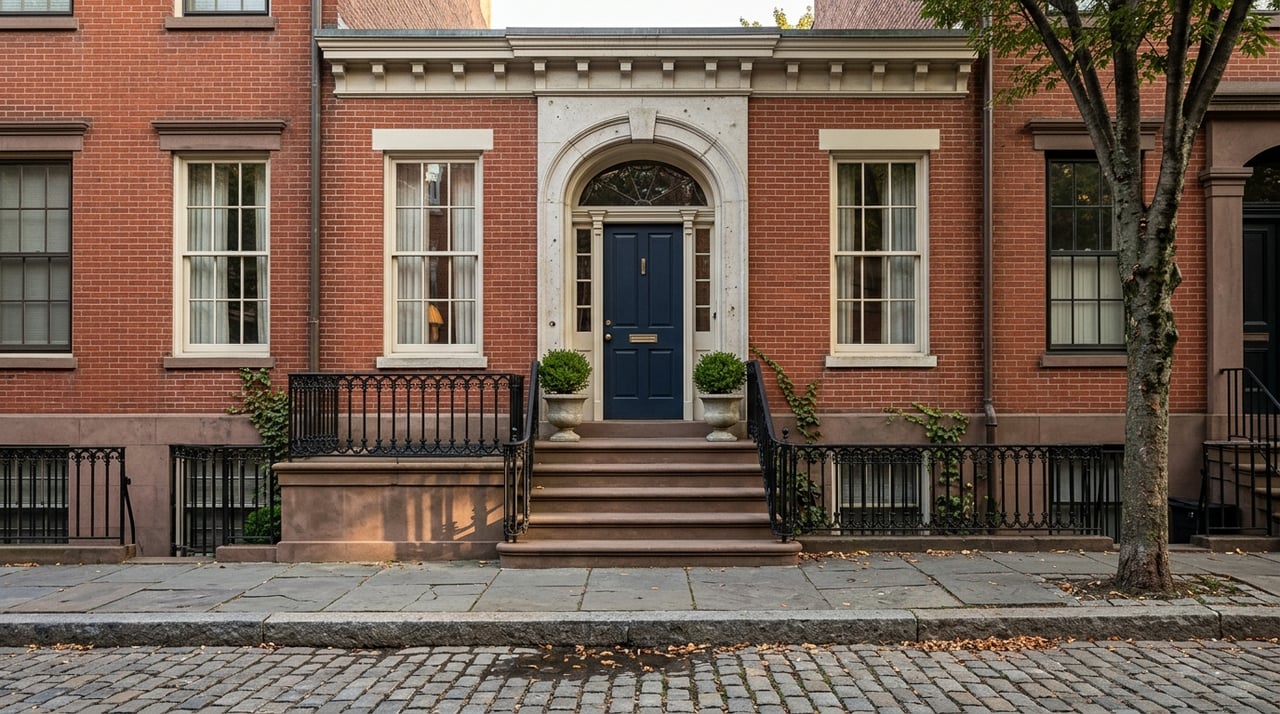
That age and variety create the texture many buyers respond to immediately. On certain nearby blocks, historic stone paving still adds another layer of character, with concentrations of cobblestone and Belgian-block streets around areas such as Jane Street and parts of the Gansevoort Market and Greenwich Village historic districts.
The result is a neighborhood that feels deeply rooted. Instead of broad avenues lined with newer development, you are often moving through narrower blocks, past brick facades, stoops, and preserved streets that feel distinctly downtown and distinctly New York.
What Landmark Designation Means for Owners
Historic district living comes with real benefits, but it also comes with rules. The Landmarks Preservation Commission explains that historic districts are groups of buildings that together create a distinct sense of place, and exterior alterations to designated buildings require LPC approval in advance.
For you as a buyer, that can mean more continuity from block to block and more protection for the neighborhood’s visual character. It can also mean less flexibility if you want to change a facade, windows, doors, or other exterior details.
That trade-off matters. In a newer condominium, exterior decisions are often part of a more standardized process, while in a landmarked brownstone setting, preserving architectural integrity is central to ownership. Many buyers see that as part of the value because it helps keep the streetscape cohesive over time.
The Hudson Is Part of Daily Life
One of the defining advantages of West Village brownstone living is how closely the neighborhood connects to Hudson River Park. This is not a small strip of green space. Hudson River Park spans 550 acres and runs four miles along Manhattan’s west side.
In the West Village, the park feels woven into the neighborhood rather than separate from it. Piers 45, 46, and 51, along with the Greenwich Village upland, were among the first areas built, and Pier 45 opened to the public in 2003.
That waterfront access shapes the rhythm of daily life. Pier 45 offers a promenade, seating, wood decking, a broad lawn, shade structures, and spray showers, while Pier 46 at the end of Charles Street offers a turf lawn and open river views.
Hudson River Park also describes the West Village upland as a layered landscape where the river appears from side streets, with the Apple Garden part of that sequence. In practical terms, the waterfront does not feel like a special trip you plan once a week. It feels like an extension of the neighborhood itself.
A Walkable Downtown Lifestyle
For many buyers, the strongest case for the West Village is how much of life can happen within a short walk. The neighborhood’s commercial identity remains strongly local, with restaurants, bars, shops, and cultural venues integrated into residential streets rather than isolated in a separate retail corridor.
The West Village BID describes the area as culturally rich and commercially vibrant, with efforts centered on cleaner streets, reduced vacancies, better-managed foot traffic, and stronger resident engagement. That local structure helps support the intimate feel many residents value.
A few well-known destinations illustrate the mix. Via Carota on Grove Street and the adjacent Officina 1397 add a neighborhood dining and provisions presence. The IFC Center on West 3rd Street programs independent, foreign, and documentary film, while the Village Vanguard on Seventh Avenue South has operated since 1935 as one of the city’s enduring jazz venues.
This kind of proximity changes how the neighborhood functions for you. Instead of organizing your week around long trips across the city, you can often move between home, the waterfront, dining, culture, and transit on foot.
Cultural Depth Adds to the Experience
The West Village also carries a remarkable concentration of cultural history. Stonewall National Monument is a 7.7-acre site in Greenwich Village that includes the Stonewall Inn, Christopher Park, Christopher Street, and portions of nearby streets.
That context gives the neighborhood a civic and cultural weight that extends beyond architecture alone. Cherry Lane Theatre on Commerce Street adds another walkable performance venue, reinforcing how history and daily life overlap here.
For buyers who want a home with a strong sense of place, that depth matters. The West Village is not simply attractive. It is layered, recognizable, and tied to institutions and streets that have enduring meaning in New York City.
Transit Supports a Pied-à-Terre Lifestyle
Even in a neighborhood defined by walking, transit remains a practical advantage. Nearby subway access includes the A, B, C, D, E, F, and M trains at West 4th Street-Washington Square, along with the 1 train at Christopher Street-Stonewall Station.
That mix supports both full-time living and pied-à-terre use. You can enjoy a neighborhood that feels intimate and residential while still staying well connected to the rest of Manhattan and beyond.
For many buyers, that is part of the formula. The West Village offers a downtown lifestyle that feels personal and neighborhood-based, but it does not ask you to give up accessibility.
What Buyers Should Weigh Carefully
If you are considering a brownstone or row-house purchase here, it helps to focus on fit rather than fantasy. West Village value often comes from context: preserved facades, lower-scale blocks, waterfront access, and the concentration of dining and culture nearby.
That does not mean every property will deliver the same experience in the same way. Older buildings can involve more planning, more maintenance awareness, and more attention to what is allowed on the exterior.
A thoughtful purchase process matters in a neighborhood like this because each property can be highly individual. Details such as block position, landmark status, access to the waterfront, and the feel of the immediate streetscape can have an outsized impact on how a home lives and how it is perceived over time.
Why West Village Brownstones Stay So Compelling
Taken together, West Village brownstone living is best understood as a compact, highly walkable downtown lifestyle shaped by preservation, Hudson River access, and a dense concentration of dining and cultural institutions. It is not tower-driven, and that is exactly the point.
If you want a residence that feels rooted in architecture, scale, and neighborhood identity, few Manhattan settings offer this combination as clearly. The appeal is not only what you own within the walls of the home, but also the character of the streets, the consistency of the built environment, and the immediate connection to the waterfront.
If you are exploring townhouse or brownstone opportunities in the West Village and want informed, property-specific guidance, The Kantha Team can help you evaluate the nuances that make these homes so distinctive.
FAQs
What defines brownstone living in the West Village?
- Brownstone living in the West Village is typically defined by historic row houses, preserved facades, human-scale blocks, and a neighborhood experience shaped by landmark protections and walkability.
What does landmark status mean for a West Village buyer?
- If a property is in a designated historic district, exterior changes generally require approval from the Landmarks Preservation Commission before work begins.
How close is the West Village to Hudson River Park?
- The neighborhood connects directly to Hudson River Park, including access near Piers 45, 46, and 51 and the Greenwich Village upland along the waterfront.
Is the West Village practical for a pied-à-terre?
- Yes. The neighborhood combines a walk-first lifestyle with nearby subway access at West 4th Street-Washington Square and Christopher Street-Stonewall Station.
What makes the West Village feel different from newer Manhattan neighborhoods?
- Its appeal comes from preserved architecture, lower-scale streets, waterfront access, and a dense mix of dining and cultural destinations integrated into the neighborhood fabric.