Everyone wants outdoor space in New York. That's not news. What is news (and what we walk buyers through constantly) is how little most people understand about what they're actually getting when a terrace or garden is part of the deal. A terrace that photographs beautifully may carry six-figure maintenance obligations.
On the Upper East Side, where pre-war architecture, landmark restrictions, and co-op governance all intersect, the nuances are real. Here's what every serious buyer needs to know.
Key Takeaways
- Owned vs. licensed — outdoor space in co-ops is often licensed, not deeded, and that changes your rights significantly
- Landmark restrictions — UES buyers in historic districts face real limits on what they can build or install
- Maintenance costs — waterproofing and structural repairs frequently fall on the terrace owner, not the building
- Weight limits — rooftop terraces have structural constraints that limit what you can place on them
- Due diligence questions — asking the right things before an offer can prevent an expensive surprise at closing
Owned vs. Licensed: The Distinction That Actually Matters
In a condo, outdoor space is typically deeded to your unit. You own it outright. In a co-op (the dominant ownership structure on the Upper East Side), it's often different.
- Deeded or licensed? The answer directly affects your rights and resale value.
- What does the proprietary lease say? It defines your maintenance obligations precisely.
- Can you make any changes at all? Many co-ops require board approval even for furniture anchoring.
Many terraces and gardens are allocated through a license agreement or proprietary lease. The corporation technically owns the space. Know exactly what you're acquiring before you fall in love with the view.
Landmark Restrictions: A Layer Most Buyers Overlook
Much of the Upper East Side falls within designated historic districts: Carnegie Hill, the Metropolitan Museum, and others. That matters more than most buyers realize.
- LPC approval is separate from board approval. You'll need both, and they don't move on the same timeline.
- Prior owners aren't always compliant. Unpermitted structures become your liability at closing.
- Run a DOB search. Open violations associated with the outdoor space are more common than you'd expect.
Any exterior modification to a landmarked building (or a building within a historic district) may require approval from the NYC Landmarks Preservation Commission. That includes pergolas, attached planters, enclosures, and sometimes awnings.
The Real Cost of Maintaining Outdoor Space
When a terrace sits above another unit, the terrace owner is typically responsible for waterproofing the surface below. Full waterproofing replacement can run $30,000 to well over $100,000, depending on size and condition.
- Waterproofing age and condition. Request documentation — not verbal assurances.
- Who pays for structural repairs? The governing documents will tell you.
- Insurance implications. Outdoor space often increases your premium and requires additional coverage.
Ask for the maintenance history before you're under contract. Don't ask after.
Weight Limits and What You Can Actually Build
A typical Manhattan rooftop terrace may be rated for 40 to 60 pounds per square foot of live load. That sounds generous until you account for a stone dining table, large planters filled with wet soil, a sectional, and guests.
- Request the building's load capacity specs. A seller's attorney should be able to provide them.
- Budget for an engineering consultation. Do this before ordering anything heavy.
- Lightweight materials exist for a reason. Composite decking, fiberglass planters, and engineered growing media are designed specifically for rooftop conditions.
Wet soil alone runs approximately 100 pounds per cubic foot. This is especially relevant to the private garden Manhattan buyers envision, which often requires more structural planning than the listing implies.
Questions to Ask Before You Make an Offer
Good outdoor space on the Upper East Side is rare. When you find it, the pressure to move fast is real. Moving fast without the right information creates problems that take years to resolve.
- Is the space deeded or licensed? If licensed, request the full license agreement.
- What is the waterproofing status? Ask for documentation of the last replacement.
- Are there open permits or violations? Run a DOB search independently.
- Has the LPC been involved in prior modifications? Know the full history.
- What is the board's policy on alterations? Ask for examples of past approvals.
Every private garden Manhattan deal we've worked on has surfaced at least one of the issues above. The buyers who ask early are the ones who close clean.
FAQs
Is a terrace worth the premium in a Manhattan co-op?
Usually yes. If you understand the obligations attached to it. Outdoor space is genuinely scarce and holds its value at resale. The key is going in with clear eyes, not just a vision of what the space could look like on a summer evening.
Can I enclose a terrace on the Upper East Side?
Possibly, but it's rarely simple. Enclosing a terrace typically requires approval from both the board and, in a landmark district, the LPC. We've seen buyers attempt this after closing and find it far more complicated than anticipated.
What's the difference between a terrace and a private garden in a Manhattan building?
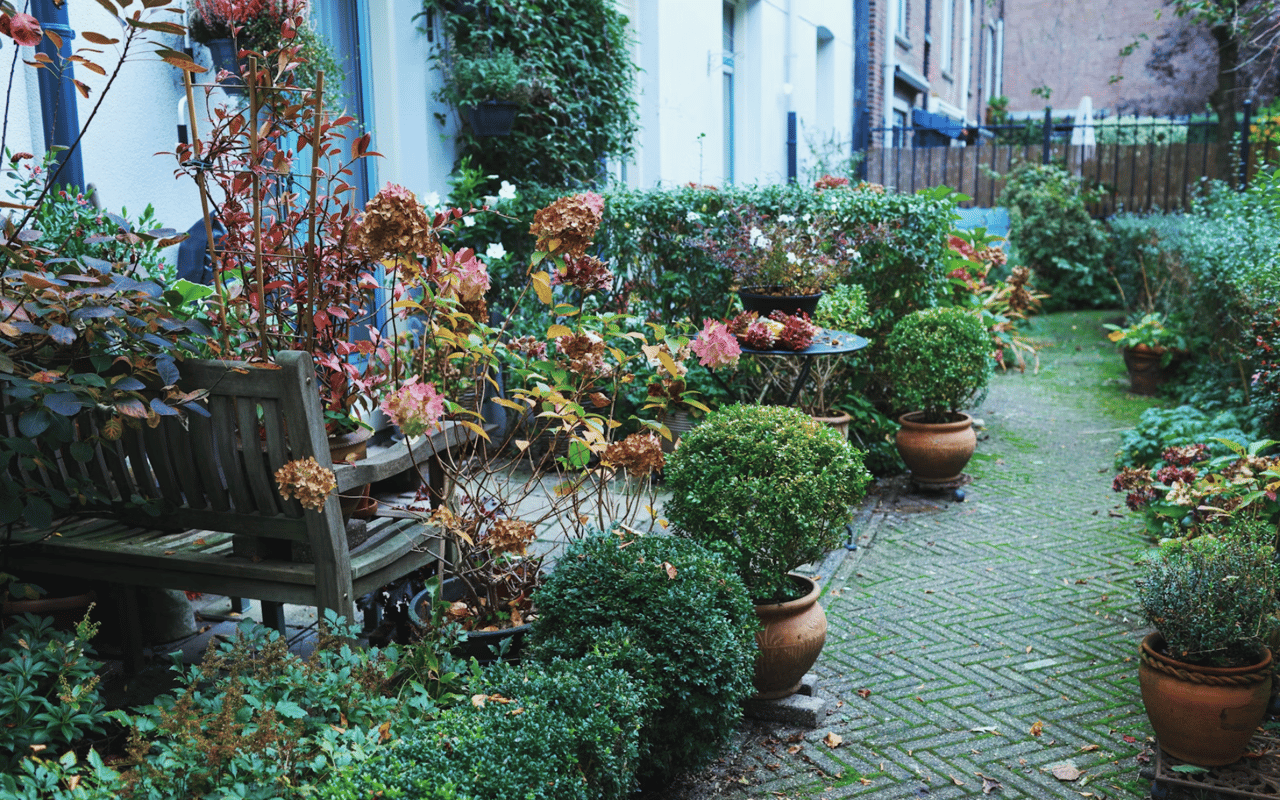
Terraces are elevated outdoor spaces above grade. Gardens are typically at-grade, associated with ground-floor or garden-level units. Both deserve a thorough legal review, but the questions you'll ask differ meaningfully between the two. When in doubt, bring your attorney into the conversation early.
Ready to Find Your Outdoor Space on the Upper East Side?
Outdoor space on the Upper East Side doesn't stay available for long. When it comes to the market, buyers who understand what they're looking at move with confidence.
We've guided buyers through every variation of this: the terrace with the complicated waterproofing history, the garden-level townhouse with the easement nobody mentioned, the co-op where the board had very specific ideas about what could be planted.
Contact us at The Kantha Team today as your next key step toward owning a private garden in Manhattan.