By The Kantha Team
Park Slope has a way of making visitors want to stay. Tree-lined blocks meet Prospect Park, and brownstones line the side streets. Smart planning matters, though, because each housing type works differently. Browse Park Slope Brooklyn homes for sale with this local primer in hand.
Key Takeaways
- Know the housing mix: Brownstones, co-ops, and condos each follow different rules and timelines.
- Respect landmark status: Check permits and designations before you commit to any address.
- Prepare early: Co-op boards ask for detailed financial packages, so gather your records in advance.
- Live near the park: Prospect Park shapes daily life here and sets the tone for the neighborhood.
Understand the Brownstone Landmark District
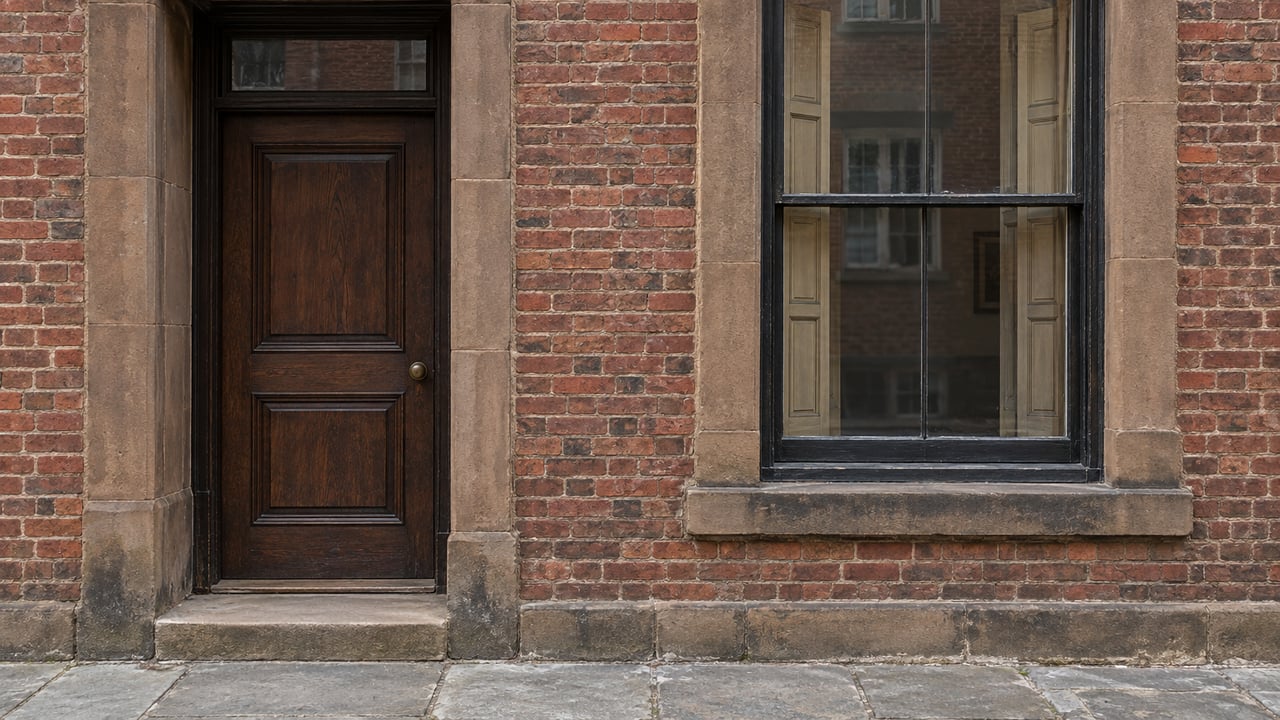
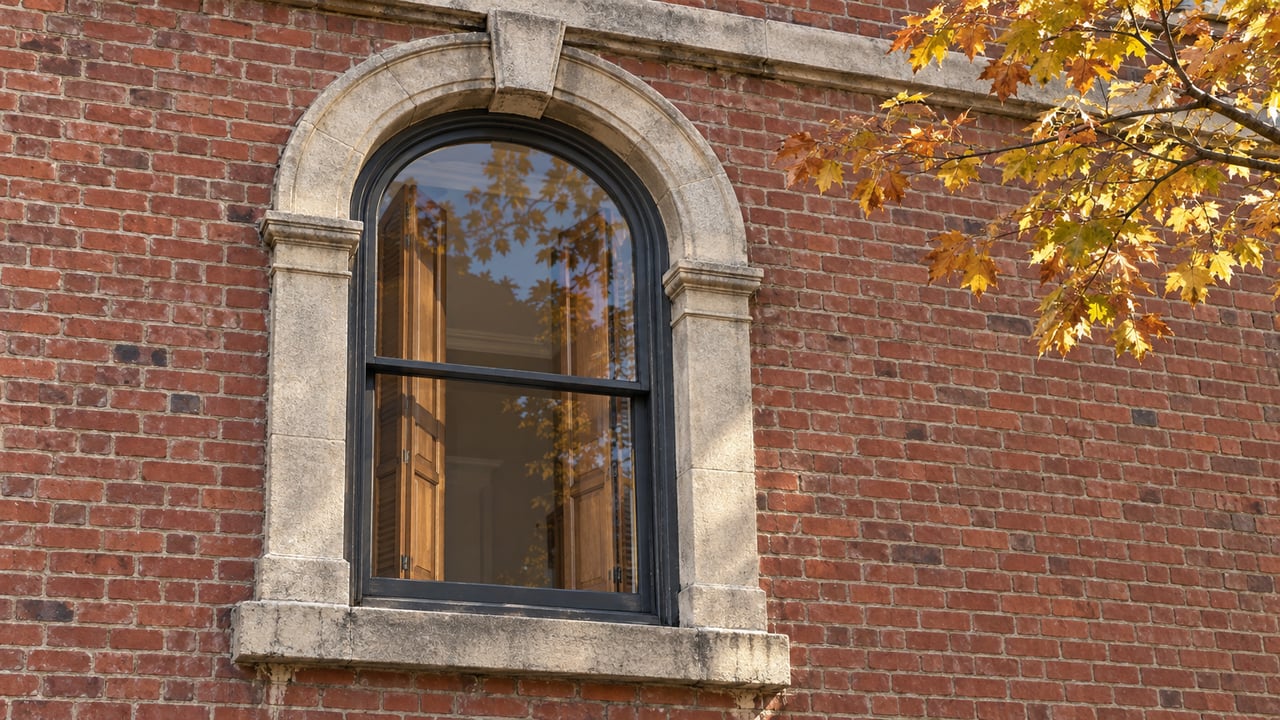
The Landmarks Preservation Commission designated the Park Slope Historic District in 1973. It was extended south in 2012 and north in 2016, and it joined the National Register of Historic Places in 1980.
Due Diligence for Brownstones
- Open permits: Ask whether any permits remain open on the property. Open items can slow a closing.
- Landmark designations: Confirm what designations apply to the address. Your attorney can help with this step.
- Certificate of Occupancy: Review it, and order a thorough structural inspection. An inspector will check what the paperwork cannot show.
StreetEasy quotes one broker who says brownstones sell fast regardless of condition. Careful homework protects your investment and your peace of mind.
Explore the Gold Coast Along Prospect Park West
Victorian mansions rose along Prospect Park West in the 1880s and 1890s to capture park views. Prewar apartment houses followed nearby, adding elegant options for those who prefer apartment living.
Look at the Prewar Apartments
- Penthouses and duplexes: The building at 35 Prospect Park West, designed by Emery Roth and opened in 1929, offers penthouses, duplexes, and maisonettes. It was marketed as a rival to the grand addresses of Manhattan.
- Park views: The mansions on this stretch were built to face the park. The setting remains a draw today.
- Full-service living: One broker says many co-op buildings have maintained lobbies and courtyards. Those touches add daily ease.
Prewar details offer character that newer buildings rarely match. Visit a few in person to feel the difference.
Compare Co-ops and Condos Along Fourth Avenue
New condos are rising along Fourth Avenue and in South Slope. Co-ops, meanwhile, remain a major part of the market.
Know How Each Process Works
- Co-op package: Co-op boards require a detailed application package. Start gathering documents early.
- Financial ranges: One broker cites a debt-to-income ratio of about 23 to 27 percent and 12 to 24 months of post-closing cash as typical. Your lender can confirm what applies to you.
- Condo growth: Newer condos often add amenities such as elevators and central air. They suit anyone who wants modern comfort.
A July 2024 StreetEasy snapshot of available homes counted 48 percent condos, 22 percent co-ops, and 12 percent townhouses. Ask your lender and attorney which path fits your plan.
Sample the Dining Along Fifth and Seventh Avenues
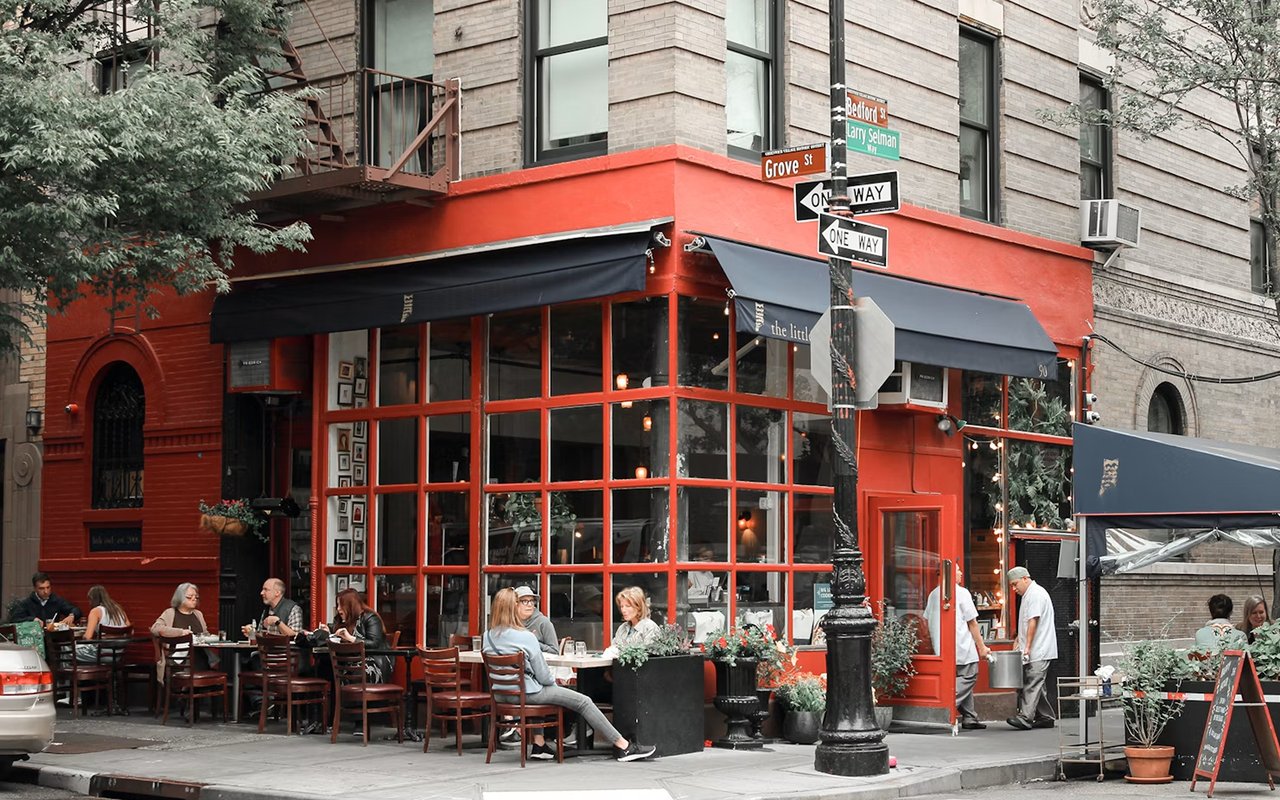
Most restaurants sit along Fifth and Seventh Avenues. The strip is lively, practical, and full of local favorites.
Taste the Neighborhood
- Winner: StreetEasy describes it as a Michelin-starred bakery and takeout restaurant. It is a fine place to start a weekend.
- Everyday cafes: Cafe Regular, Fonda, and Masalawala & Sons are named as local stops. Each adds variety to the routine.
- Barbes: The venue on 9th Street is known for live music. It gives the evenings a lively edge.
Daily errands become easy when dining and shops are steps away. Walk both avenues before you decide which side street suits you.
Live Beside Prospect Park
Prospect Park opened in 1867 and covers more than 500 acres. StreetEasy lists a zoo, a boating lake, a skating rink, and a carousel among its features.
Enjoy the Cultural Neighbors
- Brooklyn Botanic Garden: The garden lies close to the park. Plan a visit in any season.
- Brooklyn Museum: One broker says the library, museum, and garden are steps from each other. That closeness makes weekend plans simple.
- Subway access: StreetEasy says seven subway lines serve the neighborhood, including the F and G. Residents have many routes to choose from.
Park views and culture shape the rhythm of the neighborhood, and they are a large part of its appeal. Spend a weekend morning here before you make your move.
FAQs
What housing types are most common?
Brownstones, prewar co-ops, and newer condos are common. Mix and availability change over time. Ask for current examples before you tour.
Do landmark rules affect renovations?
Much of the neighborhood sits inside the Park Slope Historic District, so exterior work may need approval. Ask an attorney and an architect to confirm what applies to a specific address. Do this before you make an offer.
Where should I start my search?
Tour a brownstone block and a prewar building to compare the lifestyles. Our team can walk you through current Park Slope Brooklyn homes for sale and explain each option. We will keep the process clear and calm.
Contact Us at The Kantha Team
Ready to see Park Slope Brooklyn homes for sale that match your goals? Contact our team at The Kantha Team today. We will guide you from first tour to closing.